
When the Heat Becomes Deadly
Protecting Your Family During Extreme Summer Temperatures Understanding Heat-Related Illness, Building Resilient Communities, and Saving LivesSummer is a season many of us eagerly anticipate. It brings family reunions, neighborhood barbecues, vacations, outdoor sports, community festivals, and long days spent under sunny skies. But beneath the warmth and celebration lies a growing public health threat that is claiming more lives every year.
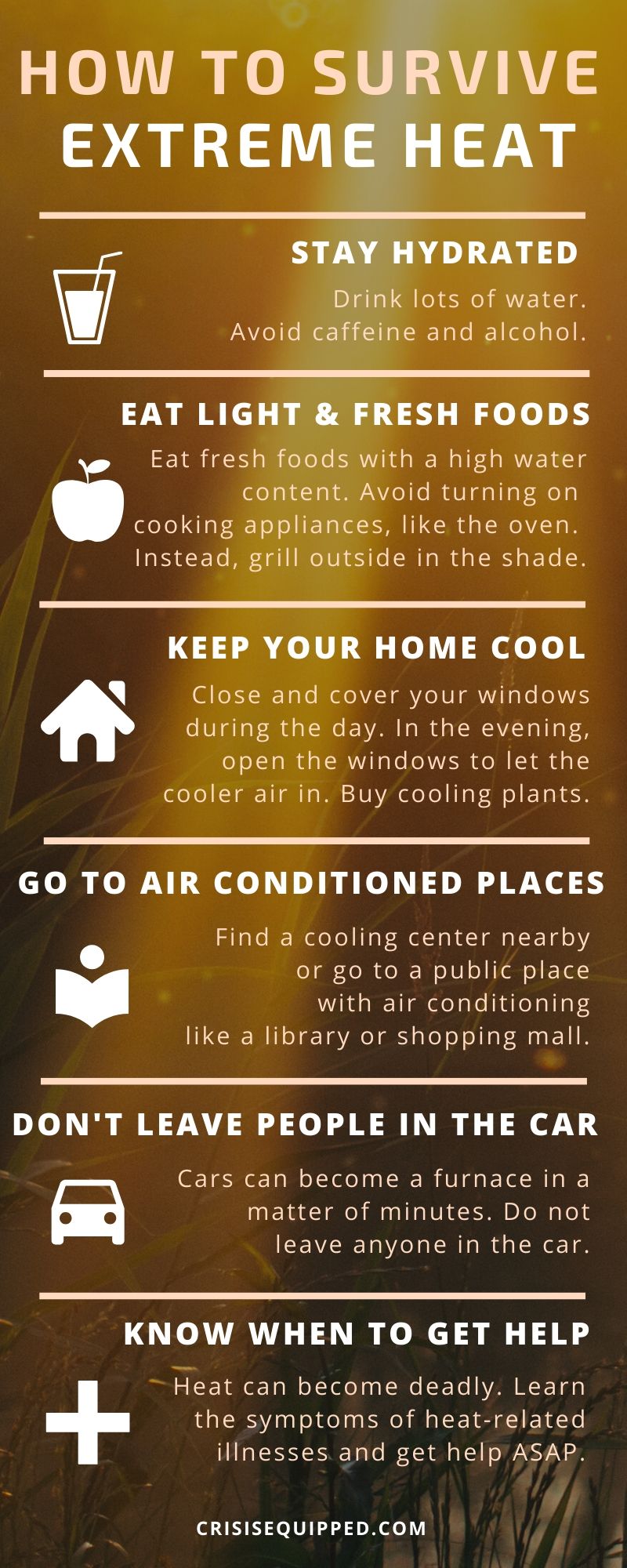
Extreme heat has become the deadliest weather-related hazard in the United States.
Who Is Most at Risk?
Although anyone can develop heat-related illness, some individuals are especially vulnerable.
Older Adults
As we age, our bodies become less efficient at regulating temperature. Many older adults also take medications that affect hydration or blood pressure, increasing their susceptibility to heat illness.
Infants and Young Children
Children generate more heat relative to their body size and are less able to regulate body temperature. They also depend on adults to ensure they remain hydrated and protected from excessive heat.
Outdoor Workers
Construction workers, landscapers, utility crews, postal workers, and others who work outdoors may spend hours exposed to high temperatures. Without adequate hydration, rest, and shade, heat illness can develop rapidly.
Athletes
Summer sports camps, football practices, marathons, and outdoor recreation can place athletes at significant risk—particularly during periods of high humidity.
People with Chronic Medical Conditions
Individuals living with:
* Heart disease
* Diabetes
* Kidney disease
* Lung disease
* Obesity
are more likely to experience serious complications from heat exposure.
Individuals Experiencing Homelessness
Without reliable access to air conditioning, shade, or clean drinking water, people experiencing homelessness often face prolonged exposure to dangerous temperatures.
DMV Resources
DC Heat Emergency Information
https://hsema.dc.gov
Maryland Department of Emergency Management
https://mdem.maryland.gov
Virginia Department of Emergency Management
https://www.vaemergency.gov
Cooling Centers (DC Government)
https://heat.dc.gov
Montgomery County Cooling Centers
https://www.montgomerycountymd.gov
Prince George’s County Emergency Management
https://www.princegeorgescountymd.gov
National Resources
Centers for Disease Control and Prevention, Heat & Health
https://www.cdc.gov/heat-health
National Weather Service – Heat Safety
https://www.weather.gov/safety/heat
Ready.gov – Extreme Heat
https://www.ready.gov/heat
American Red Cross – Heat Safety
https://www.redcross.org
Unlike hurricanes, tornadoes, or floods, heat often arrives quietly. It doesn’t destroy buildings or dominate news headlines in the same dramatic way. Instead, it silently overwhelms the body’s ability to cool itself, placing thousands of people at risk of serious illness or even death. As temperatures continue to rise due to climate change, protecting ourselves from extreme heat is no longer just a summertime recommendation. It is an essential public health priority.
At The Gatsby Showcase Foundation, we believe that education is one of the most powerful tools for prevention. By understanding who is at risk, recognizing the warning signs, and taking simple preventive measures, we can save lives and build healthier, more resilient communities.
A Growing Public Health Emergency
According to the Centers for Disease Control and Prevention (CDC), extreme heat causes more weather-related deaths in the United States than hurricanes, floods, tornadoes, and lightning combined.
Recent years have brought record-breaking temperatures across much of the country. Heat waves are becoming:
* More frequent
* More intense
* Longer lasting
These conditions are especially dangerous in densely populated urban areas, where concrete, asphalt, and limited green space create what experts call the “urban heat island effect.” Neighborhoods with fewer trees and parks often experience significantly higher temperatures than surrounding communities, placing residents at even greater risk. Heat is not merely uncomfortable, it can quickly become life-threatening.
By the Numbers
The statistics paint a sobering picture:
* More than 1,200 Americans die from heat-related illnesses each year, and experts believe the true number is even higher due to underreporting.
* Thousands more are treated in emergency departments for heat exhaustion, dehydration, and heat stroke.
* Older adults account for a significant proportion of heat-related deaths.
* Outdoor workers—including construction crews, landscapers, delivery drivers, agricultural workers, and public safety personnel—face some of the highest occupational risks.
* Young athletes participating in summer training camps are also vulnerable, particularly when hydration and rest are inadequate. As an emergency physician, I have seen firsthand how quickly heat-related illnesses can progress. A person may begin the day feeling perfectly healthy, only to become critically ill within hours if warning signs are missed.
A Story from the DMV: Mr. Harris’s Close Call
Mr. Harris, a 68-year-old retired mechanic from Prince George’s County, prided himself on maintaining his yard every summer. One particularly hot afternoon, he spent several hours mowing the lawn and trimming hedges. His wife noticed he seemed unusually tired and encouraged him to come inside. He insisted he was “almost finished.” Minutes later, she found him confused, stumbling, and unable to answer simple questions.
Recognizing something was terribly wrong, she called 911.
Mr. Harris had developed heat stroke, a life-threatening medical emergency. His body temperature had climbed above 104°F, and his organs were beginning to fail.
Fortunately, emergency responders arrived quickly, initiated rapid cooling, and transported him to the hospital. After several days of intensive care, he recovered.
Today, Mr. Harris shares one important lesson:
“I thought I knew my limits. Heat doesn’t care how tough you think you are.”
Heat Exhaustion vs. Heat Stroke
Recognizing the difference can save a life.
Heat Exhaustion
Symptoms may include:
* Heavy sweating
* Muscle cramps
* Weakness
* Headache
* Dizziness
* Nausea
* Cool, clammy skin
* Rapid pulse
Treatment:
* Move to a cool area
* Drink water or electrolyte-containing fluids
* Loosen clothing
* Apply cool compresses
* Rest
Heat Stroke, A Medical Emergency
Symptoms include:
* Body temperature above 104°F
* Confusion
* Slurred speech
* Loss of consciousness
* Seizures
* Hot, dry skin (although sweating may still occur)
Call 911 immediately.
Heat stroke can cause permanent brain injury, organ failure, and death if not treated immediately.
Never Leave a Child in a Vehicle
One of the most heartbreaking and entirely preventable summer tragedies is the death of a child left in a hot vehicle.
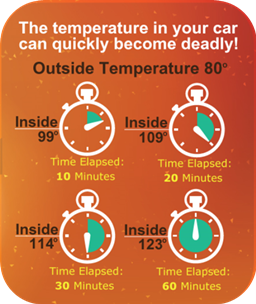
Even when outdoor temperatures seem moderate, the temperature inside a parked car can rise by 20 degrees in just 10 minutes.
Cracking the windows offers little protection.
Children should never be left alone in a vehicle not even “just for a minute.”
Simple habits can help prevent tragedy:
* Place your phone, purse, or briefcase in the back seat.
* Always check the back seat before locking your vehicle.
* Keep vehicles locked to prevent children from climbing inside.
Staying Safe in the Heat
Fortunately, many heat-related illnesses are preventable.
Stay Hydrated
Drink water consistently throughout the day not just when you feel thirsty.
Older adults often experience a diminished sense of thirst, making dehydration more likely.
Dress Smart
Wear:
* Lightweight clothing
* Light-colored fabrics
* Wide-brimmed hats
* Sunscreen (SPF 30 or higher)
Avoid Peak Heat
Limit outdoor activities between 10:00 a.m. and 4:00 p.m., when temperatures are highest.
Know Your Medications
Certain medications—including diuretics, blood pressure medications, antihistamines, and some psychiatric medications—can increase the risk of heat-related illness.
Discuss heat safety with your healthcare provider if you take these medications.
Check on Vulnerable Neighbors
One phone call or knock on the door could save someone’s life.
Older adults living alone, individuals with disabilities, and those without air conditioning may need assistance during extreme heat events.
Climate Change and Health Equity
Extreme heat does not affect every community equally.
Neighborhoods with fewer trees, limited green space, aging housing infrastructure, and lower household incomes often experience higher temperatures and fewer cooling resources.
Communities already facing health disparities frequently bear the greatest burden.
Addressing extreme heat is not only an environmental issue—it is a matter of health equity.
Every family deserves access to safe housing, clean drinking water, cooling centers, and life-saving information.
Final Thoughts
Heat waves are becoming more frequent, more intense, and more dangerous.
But they are also among the most preventable public health emergencies.
This summer, protect yourself.
Protect your family.
Check on your neighbors.
Stay hydrated.
Know the warning signs.
And remember that seeking help early can mean the difference between recovery and tragedy.
At The Gatsby Showcase Foundation, we believe healthy communities are built through education, compassion, and collective action. Together, we can prepare for the challenges of a changing climate while ensuring that no one is left behind.
Because sometimes, the simplest actions—offering a bottle of water, making a phone call, or recognizing the signs of heat stroke can save a life.
Dr. Bertrand Fote, MD, MBA, FACEP, CFF
Emergency Medicine Physician
Health Equity Advocate
The Gatsby Showcase Foundation
Unlike hurricanes, tornadoes, or floods, heat often arrives quietly. It doesn’t destroy buildings or dominate news headlines in the same dramatic way. Instead, it silently overwhelms the body’s ability to cool itself, placing thousands of people at risk of serious illness or even death. As temperatures continue to rise due to climate change, protecting ourselves from extreme heat is no longer just a summertime recommendation. It is an essential public health priority.
At The Gatsby Showcase Foundation, we believe that education is one of the most powerful tools for prevention. By understanding who is at risk, recognizing the warning signs, and taking simple preventive measures, we can save lives and build healthier, more resilient communities.
A Growing Public Health Emergency
According to the Centers for Disease Control and Prevention (CDC), extreme heat causes more weather-related deaths in the United States than hurricanes, floods, tornadoes, and lightning combined.
Recent years have brought record-breaking temperatures across much of the country. Heat waves are becoming:
* More frequent
* More intense
* Longer lasting
These conditions are especially dangerous in densely populated urban areas, where concrete, asphalt, and limited green space create what experts call the “urban heat island effect.” Neighborhoods with fewer trees and parks often experience significantly higher temperatures than surrounding communities, placing residents at even greater risk. Heat is not merely uncomfortable, it can quickly become life-threatening.
By the Numbers
The statistics paint a sobering picture:
* More than 1,200 Americans die from heat-related illnesses each year, and experts believe the true number is even higher due to underreporting.
* Thousands more are treated in emergency departments for heat exhaustion, dehydration, and heat stroke.
* Older adults account for a significant proportion of heat-related deaths.
* Outdoor workers—including construction crews, landscapers, delivery drivers, agricultural workers, and public safety personnel—face some of the highest occupational risks.
* Young athletes participating in summer training camps are also vulnerable, particularly when hydration and rest are inadequate. As an emergency physician, I have seen firsthand how quickly heat-related illnesses can progress. A person may begin the day feeling perfectly healthy, only to become critically ill within hours if warning signs are missed.
Who Is Most at Risk?
Although anyone can develop heat-related illness, some individuals are especially vulnerable.
Older Adults
As we age, our bodies become less efficient at regulating temperature. Many older adults also take medications that affect hydration or blood pressure, increasing their susceptibility to heat illness.
Infants and Young Children
Children generate more heat relative to their body size and are less able to regulate body temperature. They also depend on adults to ensure they remain hydrated and protected from excessive heat.
Outdoor Workers
Construction workers, landscapers, utility crews, postal workers, and others who work outdoors may spend hours exposed to high temperatures. Without adequate hydration, rest, and shade, heat illness can develop rapidly.
Athletes
Summer sports camps, football practices, marathons, and outdoor recreation can place athletes at significant risk—particularly during periods of high humidity.
People with Chronic Medical Conditions
Individuals living with:
* Heart disease
* Diabetes
* Kidney disease
* Lung disease
* Obesity
are more likely to experience serious complications from heat exposure.
Individuals Experiencing Homelessness
Without reliable access to air conditioning, shade, or clean drinking water, people experiencing homelessness often face prolonged exposure to dangerous temperatures.
A Story from the DMV: Mr. Harris’s Close Call
Mr. Harris, a 68-year-old retired mechanic from Prince George’s County, prided himself on maintaining his yard every summer. One particularly hot afternoon, he spent several hours mowing the lawn and trimming hedges.
His wife noticed he seemed unusually tired and encouraged him to come inside. He insisted he was “almost finished.”
Minutes later, she found him confused, stumbling, and unable to answer simple questions.
Recognizing something was terribly wrong, she called 911.
Mr. Harris had developed heat stroke, a life-threatening medical emergency. His body temperature had climbed above 104°F, and his organs were beginning to fail.
Fortunately, emergency responders arrived quickly, initiated rapid cooling, and transported him to the hospital. After several days of intensive care, he recovered.
Today, Mr. Harris shares one important lesson:
“I thought I knew my limits. Heat doesn’t care how tough you think you are.”
Heat Exhaustion vs. Heat Stroke
Recognizing the difference can save a life.
Heat Exhaustion
Symptoms may include:
* Heavy sweating
* Muscle cramps
* Weakness
* Headache
* Dizziness
* Nausea
* Cool, clammy skin
* Rapid pulse
Treatment:
* Move to a cool area
* Drink water or electrolyte-containing fluids
* Loosen clothing
* Apply cool compresses
* Rest
Heat Stroke, A Medical Emergency
Symptoms include:
* Body temperature above 104°F
* Confusion
* Slurred speech
* Loss of consciousness
* Seizures
* Hot, dry skin (although sweating may still occur)
Call 911 immediately.
Heat stroke can cause permanent brain injury, organ failure, and death if not treated immediately.
Never Leave a Child in a Vehicle
One of the most heartbreaking and entirely preventable summer tragedies is the death of a child left in a hot vehicle.
Even when outdoor temperatures seem moderate, the temperature inside a parked car can rise by 20 degrees in just 10 minutes.
Cracking the windows offers little protection.
Children should never be left alone in a vehicle not even “just for a minute.”
Simple habits can help prevent tragedy:
* Place your phone, purse, or briefcase in the back seat.
* Always check the back seat before locking your vehicle.
* Keep vehicles locked to prevent children from climbing inside.
Staying Safe in the Heat
Fortunately, many heat-related illnesses are preventable.
Stay Hydrated
Drink water consistently throughout the day not just when you feel thirsty.
Older adults often experience a diminished sense of thirst, making dehydration more likely.
Dress Smart
Wear:
* Lightweight clothing
* Light-colored fabrics
* Wide-brimmed hats
* Sunscreen (SPF 30 or higher)
Avoid Peak Heat
Limit outdoor activities between 10:00 a.m. and 4:00 p.m., when temperatures are highest.
Know Your Medications
Certain medications—including diuretics, blood pressure medications, antihistamines, and some psychiatric medications—can increase the risk of heat-related illness.
Discuss heat safety with your healthcare provider if you take these medications.
Check on Vulnerable Neighbors
One phone call or knock on the door could save someone’s life.
Older adults living alone, individuals with disabilities, and those without air conditioning may need assistance during extreme heat events.
Climate Change and Health Equity
Extreme heat does not affect every community equally.
Neighborhoods with fewer trees, limited green space, aging housing infrastructure, and lower household incomes often experience higher temperatures and fewer cooling resources.
Communities already facing health disparities frequently bear the greatest burden.
Addressing extreme heat is not only an environmental issue—it is a matter of health equity.
Every family deserves access to safe housing, clean drinking water, cooling centers, and life-saving information.
DMV Resources
DC Heat Emergency Information
https://hsema.dc.gov
Maryland Department of Emergency Management
https://mdem.maryland.gov
Virginia Department of Emergency Management
https://www.vaemergency.gov
Cooling Centers (DC Government)
https://heat.dc.gov
Montgomery County Cooling Centers
https://www.montgomerycountymd.gov
Prince George’s County Emergency Management
https://www.princegeorgescountymd.gov
National Resources
Centers for Disease Control and Prevention, Heat & Health
https://www.cdc.gov/heat-health
National Weather Service – Heat Safety
https://www.weather.gov/safety/heat
Ready.gov – Extreme Heat
https://www.ready.gov/heat
American Red Cross – Heat Safety
https://www.redcross.org
Final Thoughts
Heat waves are becoming more frequent, more intense, and more dangerous.
But they are also among the most preventable public health emergencies.
This summer, protect yourself.
Protect your family.
Check on your neighbors.
Stay hydrated.
Know the warning signs.
And remember that seeking help early can mean the difference between recovery and tragedy.
At The Gatsby Showcase Foundation, we believe healthy communities are built through education, compassion, and collective action. Together, we can prepare for the challenges of a changing climate while ensuring that no one is left behind.
Because sometimes, the simplest actions—offering a bottle of water, making a phone call, or recognizing the signs of heat stroke can save a life.
Dr. Bertrand Fote, MD, MBA, FACEP, CFF
Emergency Medicine Physician
Health Equity Advocate
The Gatsby Showcase Foundation