
The Power of Who You Know: Building Relationships That Open Doors
Why Mentorship, Networking, and Social Capital Matter in Economic EmpowermentImagine two equally talented young professionals entering the workforce. Both possess excellent academic credentials, ambition, and a strong work ethic. Yet one receives an introduction that leads to an internship and eventually a promising career, while the other spends months submitting applications with little success.
Their abilities may be comparable, but their access to opportunity is not.
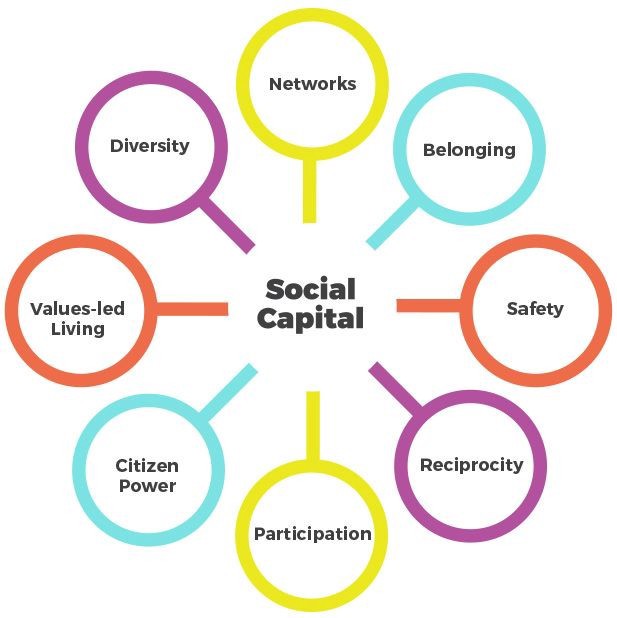
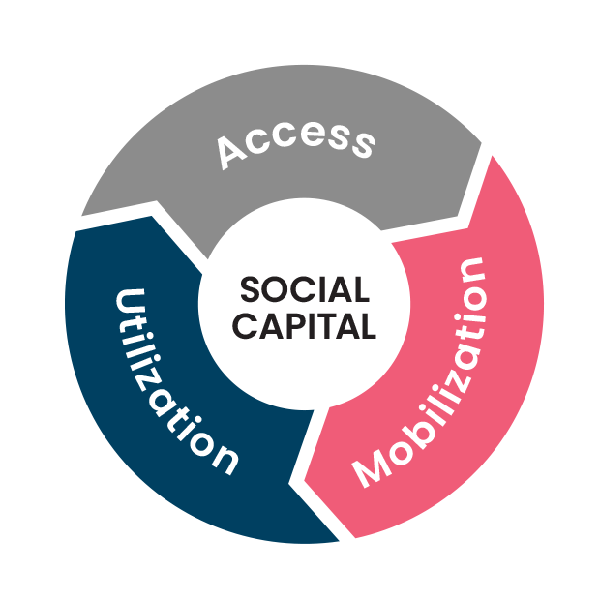
This illustrates an important reality: talent is widely distributed, but access to opportunity is not. Education and determination remain essential ingredients of success, yet professional advancement is often influenced by something less visible social capital. This refers to the knowledge, trust, support, and opportunities available through personal and professional networks.





At The Gatsby Showcase Foundation, we believe meaningful economic empowerment must extend beyond scholarships and financial assistance. It must also help individuals gain access to the guidance, exposure, and professional communities that allow their abilities to flourish.
The Social Capital Gap: Why Access Matters
We often encourage young people to work hard, pursue education, and remain focused on their goals. While this advice is valuable, it overlooks the reality that many opportunities are discovered through professional networks rather than traditional application processes alone.
A professor recommends a promising student for a research opportunity. A business owner introduces an emerging entrepreneur to a potential customer. A professional shares information about an internship or scholarship that might otherwise go unnoticed. These seemingly ordinary interactions can significantly influence someone’s future.
For first-generation college students, young professionals from underserved communities, and entrepreneurs without established networks, gaining access to such opportunities can be particularly challenging. The issue is not necessarily a lack of talent or motivation, but limited exposure to the people and institutions that can help translate potential into progress.
Closing the opportunity gap therefore requires more than encouraging individual achievement. It requires creating pathways through which talent can be recognized, supported, and connected to opportunity.
Mentorship and Sponsorship: Two Powerful Forces
Mentorship is among the most valuable investments we can make in human potential. A good mentor provides perspective, shares experience, helps navigate difficult decisions, and encourages personal and professional growth. Mentors often recognize possibilities that individuals may not yet see in themselves.
Sponsorship takes this support a step further. While mentors provide guidance, sponsors actively advocate for someone’s advancement by recommending them for opportunities, making introductions, or using their professional credibility to support their progress.
Consider a young professional aspiring to a leadership position in healthcare. A mentor may help strengthen her leadership skills, refine her career strategy, and prepare for interviews. A sponsor, recognizing her abilities and professional integrity, may recommend her for a leadership opportunity when she is not present to advocate for herself.
Both relationships can be transformational, but they must be grounded in trust, competence, and mutual respect. The objective should not simply be to find influential people, but to become someone whose character and performance inspire others to offer meaningful support.
Networking With Purpose and Authenticity
For many people, networking conjures images of crowded conferences, uncomfortable introductions, and the exchange of business cards. Yet meaningful professional networking is far more personal and purposeful. It begins with genuine curiosity, thoughtful engagement, and a willingness to learn from others.
Students and emerging professionals can begin with resources already available to them:
- Professors and academic advisers
- Alumni and former classmates
- Former supervisors and colleagues
- Community leaders and nonprofit organizations
- Professional associations and industry groups
- Individuals working in fields they hope to enter
A thoughtful request for a brief conversation about someone’s career journey can be more effective than an immediate request for employment or assistance.
The key is authenticity. Rather than approaching every interaction as a transaction, focus on understanding people’s experiences, learning from their perspectives, and demonstrating sincere interest. Follow through on commitments, express appreciation, and maintain contact when appropriate.
Over time, these habits create a professional network built on credibility rather than convenience. The value of a network is not measured by the number of contacts accumulated, but by the quality of the trust established.
Reputation: The Foundation of Lasting Opportunity
An introduction may open a door, but reputation often determines whether that door remains open. Reliability, integrity, preparation, professionalism, and respect for others are qualities that distinguish individuals long after an initial meeting.
A student who consistently demonstrates initiative may be remembered when an internship becomes available. An entrepreneur known for excellent service may receive referrals from satisfied customers. A professional who delivers on commitments may earn the confidence of colleagues and leaders.
These outcomes are rarely accidental. They emerge from consistent behavior over time.
It is equally important to recognize that professional connections cannot substitute for competence. An introduction may secure an interview, but preparation and qualifications remain essential. A mentor may facilitate a meeting with an investor, but a credible business plan must demonstrate value.
Access creates possibilities; preparation and performance turn those possibilities into achievement.
The Gatsby 30-Day Connection Challenge
Building social capital does not require an extensive network or an elaborate strategy. It begins with intentional action.
Over the next 30 days, consider taking four practical steps to strengthen your professional relationships.
Week 1 — Identify
Select five individuals whose experience, expertise, or professional journey could provide valuable insight into your goals.
Think about people in your current community, educational institution, workplace, or desired industry.
Week 2 — Connect
Reach out to two of those individuals, introduce yourself thoughtfully, and request a brief conversation focused on learning.
Be respectful of their time, explain your interest, and approach the conversation with curiosity rather than an expectation of immediate assistance.
Week 3 — Engage
Attend a professional, educational, or community event. Participate actively, ask thoughtful questions, and follow up with someone you meet.
Remember that a meaningful conversation can be the beginning of a valuable professional relationship.
Week 4 — Strengthen
Express appreciation to those who have offered guidance. Share how you have applied their advice, maintain appropriate contact, and identify one opportunity to support someone else.
These small actions can become the foundation of lasting professional development. The objective is not immediate personal gain, but the gradual development of knowledge, confidence, credibility, and meaningful connections.
Resources for Mentorship and Professional Growth
Several organizations provide valuable opportunities for students, young professionals, and entrepreneurs to develop skills and expand their professional networks.
National Resources
- MENTOR: Supports youth mentoring initiatives and helps strengthen mentoring relationships and programs.
- SCORE: Offers business mentoring and entrepreneurial education for people starting or growing a business.
- Year Up United: Provides career development and pathways to employment for eligible young adults.
- Toastmasters International: Supports communication, public speaking, and leadership development.
DMV-Area Resources
- Maryland Small Business Development Center: Offers entrepreneurial guidance, business counseling, and training.
- DC Department of Employment Services: Provides workforce development, employment assistance, and career resources.
- Virginia Career Works: Connects individuals with career training, employment support, and workforce services.

College career centers, alumni associations, professional organizations, and local chambers of commerce can also provide valuable opportunities for engagement and growth.
Before applying for a program or service, visit the organization’s official website to confirm current eligibility requirements, available services, and application details.
Final Thoughts: The Responsibility to Open Doors
Behind many successful individuals are teachers who encouraged them, mentors who guided them, colleagues who recognized their abilities, and people who offered opportunities at pivotal moments. Few journeys are accomplished entirely alone, and acknowledging the contributions of others is an important part of understanding success.
But economic empowerment carries a responsibility that extends beyond personal advancement. Those who have benefited from guidance and opportunity are uniquely positioned to create similar possibilities for others.
Sharing information about a scholarship, mentoring a promising student, recommending a qualified professional, or introducing an entrepreneur to a potential partner may appear to be small gestures, yet their impact can extend across generations.
At The Gatsby Showcase Foundation, this principle lies at the heart of our commitment to scholarships, mentorship, and economic empowerment. We believe that opportunity becomes more meaningful when it is shared and that individual achievement reaches its greatest potential when it contributes to collective progress.
You may not control where your journey begins, nor inherit wealth, influence, or an established professional network. But through education, perseverance, integrity, and purposeful engagement, you can develop the skills and connections that help shape your future.
And when your own journey brings you into positions of influence, remember that your greatest contribution may not be measured solely by what you accomplish, but by the possibilities you create for others.
Success is not merely about the doors you walk through. It is also about the doors you hold open for others.
By Dr. Bertrand Fote, MD, MBA, FACEP, CF2
President, The Gatsby Showcase Foundation
At The Gatsby Showcase Foundation, we believe meaningful economic empowerment must extend beyond scholarships and financial assistance. It must also help individuals gain access to the guidance, exposure, and professional communities that allow their abilities to flourish.
The Social Capital Gap: Why Access Matters
We often encourage young people to work hard, pursue education, and remain focused on their goals. While this advice is valuable, it overlooks the reality that many opportunities are discovered through professional networks rather than traditional application processes alone.
A professor recommends a promising student for a research opportunity. A business owner introduces an emerging entrepreneur to a potential customer. A professional shares information about an internship or scholarship that might otherwise go unnoticed. These seemingly ordinary interactions can significantly influence someone’s future.
For first-generation college students, young professionals from underserved communities, and entrepreneurs without established networks, gaining access to such opportunities can be particularly challenging. The issue is not necessarily a lack of talent or motivation, but limited exposure to the people and institutions that can help translate potential into progress.
Closing the opportunity gap therefore requires more than encouraging individual achievement. It requires creating pathways through which talent can be recognized, supported, and connected to opportunity.
Mentorship and Sponsorship: Two Powerful Forces
Mentorship is among the most valuable investments we can make in human potential. A good mentor provides perspective, shares experience, helps navigate difficult decisions, and encourages personal and professional growth. Mentors often recognize possibilities that individuals may not yet see in themselves.
Sponsorship takes this support a step further. While mentors provide guidance, sponsors actively advocate for someone’s advancement by recommending them for opportunities, making introductions, or using their professional credibility to support their progress.
Consider a young professional aspiring to a leadership position in healthcare. A mentor may help strengthen her leadership skills, refine her career strategy, and prepare for interviews. A sponsor, recognizing her abilities and professional integrity, may recommend her for a leadership opportunity when she is not present to advocate for herself.
Both relationships can be transformational, but they must be grounded in trust, competence, and mutual respect. The objective should not simply be to find influential people, but to become someone whose character and performance inspire others to offer meaningful support.
Networking With Purpose and Authenticity
For many people, networking conjures images of crowded conferences, uncomfortable introductions, and the exchange of business cards. Yet meaningful professional networking is far more personal and purposeful. It begins with genuine curiosity, thoughtful engagement, and a willingness to learn from others.
Students and emerging professionals can begin with resources already available to them:
- Professors and academic advisers
- Alumni and former classmates
- Former supervisors and colleagues
- Community leaders and nonprofit organizations
- Professional associations and industry groups
- Individuals working in fields they hope to enter
A thoughtful request for a brief conversation about someone’s career journey can be more effective than an immediate request for employment or assistance.
The key is authenticity. Rather than approaching every interaction as a transaction, focus on understanding people’s experiences, learning from their perspectives, and demonstrating sincere interest. Follow through on commitments, express appreciation, and maintain contact when appropriate.
Over time, these habits create a professional network built on credibility rather than convenience. The value of a network is not measured by the number of contacts accumulated, but by the quality of the trust established.
Reputation: The Foundation of Lasting Opportunity
An introduction may open a door, but reputation often determines whether that door remains open. Reliability, integrity, preparation, professionalism, and respect for others are qualities that distinguish individuals long after an initial meeting.
A student who consistently demonstrates initiative may be remembered when an internship becomes available. An entrepreneur known for excellent service may receive referrals from satisfied customers. A professional who delivers on commitments may earn the confidence of colleagues and leaders.
These outcomes are rarely accidental. They emerge from consistent behavior over time.
It is equally important to recognize that professional connections cannot substitute for competence. An introduction may secure an interview, but preparation and qualifications remain essential. A mentor may facilitate a meeting with an investor, but a credible business plan must demonstrate value.
Access creates possibilities; preparation and performance turn those possibilities into achievement.
The Gatsby 30-Day Connection Challenge
Building social capital does not require an extensive network or an elaborate strategy. It begins with intentional action.
Over the next 30 days, consider taking four practical steps to strengthen your professional relationships.
Week 1 — Identify
Select five individuals whose experience, expertise, or professional journey could provide valuable insight into your goals.
Think about people in your current community, educational institution, workplace, or desired industry.
Week 2 — Connect
Reach out to two of those individuals, introduce yourself thoughtfully, and request a brief conversation focused on learning.
Be respectful of their time, explain your interest, and approach the conversation with curiosity rather than an expectation of immediate assistance.
Week 3 — Engage
Attend a professional, educational, or community event. Participate actively, ask thoughtful questions, and follow up with someone you meet.
Remember that a meaningful conversation can be the beginning of a valuable professional relationship.
Week 4 — Strengthen
Express appreciation to those who have offered guidance. Share how you have applied their advice, maintain appropriate contact, and identify one opportunity to support someone else.
These small actions can become the foundation of lasting professional development. The objective is not immediate personal gain, but the gradual development of knowledge, confidence, credibility, and meaningful connections.
Resources for Mentorship and Professional Growth
Several organizations provide valuable opportunities for students, young professionals, and entrepreneurs to develop skills and expand their professional networks.
National Resources
- MENTOR: Supports youth mentoring initiatives and helps strengthen mentoring relationships and programs.
- SCORE: Offers business mentoring and entrepreneurial education for people starting or growing a business.
- Year Up United: Provides career development and pathways to employment for eligible young adults.
- Toastmasters International: Supports communication, public speaking, and leadership development.
DMV-Area Resources
- Maryland Small Business Development Center: Offers entrepreneurial guidance, business counseling, and training.
- DC Department of Employment Services: Provides workforce development, employment assistance, and career resources.
- Virginia Career Works: Connects individuals with career training, employment support, and workforce services.
College career centers, alumni associations, professional organizations, and local chambers of commerce can also provide valuable opportunities for engagement and growth.
Before applying for a program or service, visit the organization’s official website to confirm current eligibility requirements, available services, and application details.
Final Thoughts: The Responsibility to Open Doors
Behind many successful individuals are teachers who encouraged them, mentors who guided them, colleagues who recognized their abilities, and people who offered opportunities at pivotal moments. Few journeys are accomplished entirely alone, and acknowledging the contributions of others is an important part of understanding success.
But economic empowerment carries a responsibility that extends beyond personal advancement. Those who have benefited from guidance and opportunity are uniquely positioned to create similar possibilities for others.
Sharing information about a scholarship, mentoring a promising student, recommending a qualified professional, or introducing an entrepreneur to a potential partner may appear to be small gestures, yet their impact can extend across generations.
At The Gatsby Showcase Foundation, this principle lies at the heart of our commitment to scholarships, mentorship, and economic empowerment. We believe that opportunity becomes more meaningful when it is shared and that individual achievement reaches its greatest potential when it contributes to collective progress.
You may not control where your journey begins, nor inherit wealth, influence, or an established professional network. But through education, perseverance, integrity, and purposeful engagement, you can develop the skills and connections that help shape your future.
And when your own journey brings you into positions of influence, remember that your greatest contribution may not be measured solely by what you accomplish, but by the possibilities you create for others.
Success is not merely about the doors you walk through. It is also about the doors you hold open for others.
By Dr. Bertrand Fote, MD, MBA, FACEP, CF2
President, The Gatsby Showcase Foundation