
Rest Is Resistance: Why Burnout Is Blocking the Next Generation of Leaders
Part of the Scholarships & Economic Empowerment Series – The Gatsby Showcase FoundationEveryone Is Tired. But Not Everyone Understands Why. We live in a culture that celebrates exhaustion.
“Team no sleep.”
“Hustle harder.”
“Grind now, rest later.”
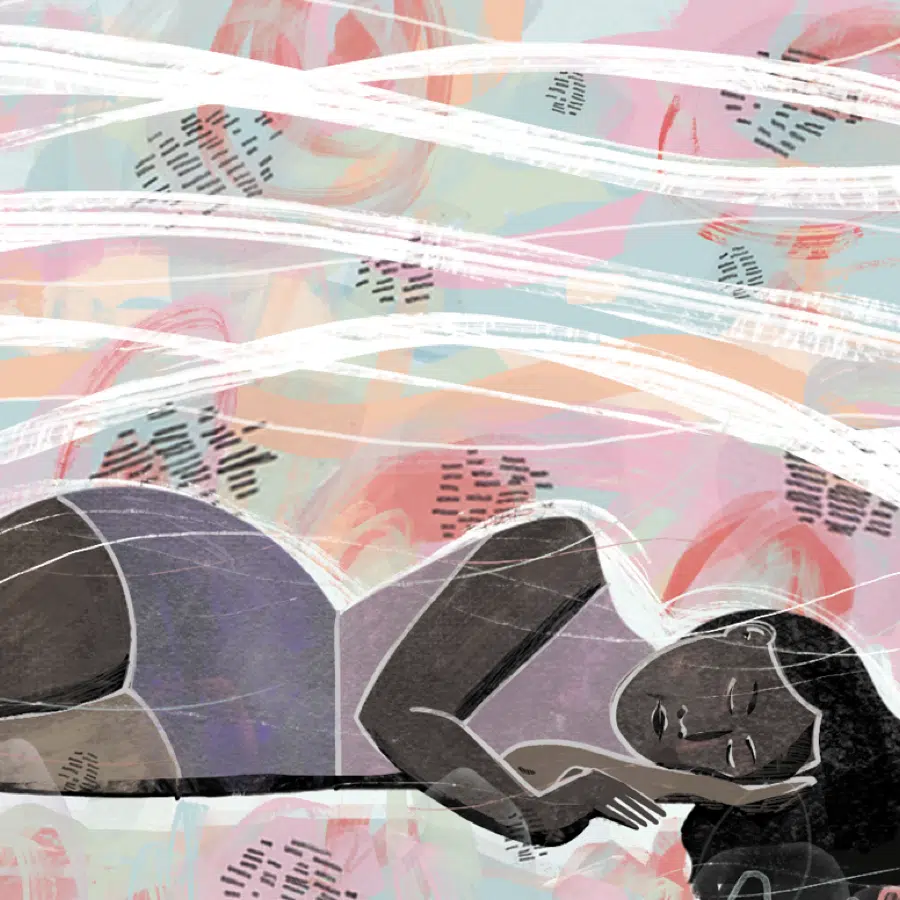
The Cost of Constant Hustle
We often talk about the financial cost of failure.
But we rarely talk about the emotional cost of nonstop performance.
Burnout affects:
- Decision-making
- Academic performance
- Creativity
- Leadership quality
- Relationships
- Physical health
- Long-term earning potential
The Numbers:
- Nearly 77% of professionals report experiencing burnout at work
- College students report record levels of anxiety and emotional exhaustion
- Entrepreneurs are significantly more likely to experience depression and chronic stress than the general population
And yet many people still believe:
“I’ll rest once I succeed.”
But if your health collapses before success arrives, what exactly are you building?
Rest Is Not Laziness. It’s Strategy
Let’s redefine rest.
Rest is:
- Recovery
- Clarity
- Protection
- Sustainability
- Leadership maintenance
Athletes recover between games.
Muscles grow during recovery—not during the workout itself.
The same applies to your mind.
Building Sustainable Success: 7 Gatsby Strategies
1. Schedule Rest Like You Schedule Work
Put recovery on your calendar.
2. Disconnect Without Guilt
Silence notifications. Log off intentionally.
3. Normalize Therapy & Mental Health Support
Strong people ask for support early—not only during crisis.
4. Reduce Financial Stress Through Planning
Budgeting and financial literacy reduce anxiety dramatically.
5. Build Community
Isolation accelerates burnout. Healthy support systems protect against it.
6. Redefine Productivity
Your worth is not measured by exhaustion.
7. Celebrate Small Wins
Not every victory has to go viral to matter.
Mental Health & Wellness Resources
National Resources
- 988 Suicide & Crisis Lifeline
https://988lifeline.org - The Steve Fund (Mental health support for students of color)
https://www.stevefund.org - Therapy for Black Men
https://therapyforblackmen.org - Therapy for Black Girls
https://therapyforblackgirls.com - Active Minds (student mental health advocacy)
https://www.activeminds.org
DMV-Based Resources
- Black Mental Wellness
https://www.blackmentalwellness.com - Hillcrest Children & Family Center (DC)
https://hillcrest-dc.org - Maryland Coalition of Families
https://www.mdcoalition.org - NAMI Maryland
https://namimd.org
For many students, entrepreneurs, and young professionals, especially within historically marginalized communities, burnout has become normalized.
Being overwhelmed is worn like a badge of honor. Rest feels guilty. Slowing down feels dangerous.
But here’s the truth:
Burnout is not a sign of ambition. It’s often a sign of imbalance, unsupported pressure, and survival mode.
As we recognize Mental Health Awareness Month this May, The Gatsby Showcase Foundation wants to challenge the idea that success must come at the expense of your health, relationships, peace, or identity.
Because exhausted leaders don’t build sustainable legacies.
Healthy leaders do.
What Burnout Really Looks Like
Burnout isn’t just being tired after a long week.
Burnout is:
- Feeling emotionally numb
- Losing motivation for things you once loved
- Constant anxiety masked as productivity
- Brain fog, irritability, insomnia
- Feeling guilty when you rest
- Achieving goals but never feeling fulfilled
And for many students and entrepreneurs of color, burnout is intensified by:
- Financial pressure
- Family responsibilities
- First-generation expectations
- Systemic barriers
- Fear of failure
- The pressure to “make it out” for everyone else
Too many people are building dreams on exhausted foundations.
Rest allows you to:
think clearly
make better financial decisions
show up fully in relationships
create more sustainably
avoid reactive choices
maintain long-term consistency
Rest is not quitting.
Rest is preparation.
Burnout in Entrepreneurship: The Side Nobody Posts
Social media often glamorizes entrepreneurship:
- luxury lifestyles
- constant productivity
- “millionaire by 25” culture
But behind many businesses are founders silently battling:
- panic attacks
- debt stress
- imposter syndrome
- loneliness
- chronic anxiety
Many young entrepreneurs believe:
“If I stop moving, everything will fall apart.”
But sustainable businesses require sustainable people.
Gatsby Reminder:
You do not have to destroy yourself to prove you deserve success.
Burnout Among Students: The Hidden Crisis
Students today are balancing:
- tuition pressure
- academic competition
- family obligations
- social media comparison
- uncertain job markets
- scholarship expectations
Many feel they must constantly perform just to stay afloat.
Warning signs students often ignore:
- loss of focus
- emotional detachment
- sleeping too much or too little
- procrastination tied to anxiety
- feeling hopeless despite achievement
Success without wellness is not success.
It’s survival disguised as progress.
Real Story: “I Thought Burnout Was Normal”
“I was working two jobs, running my business, and carrying 18 credits. Everyone kept telling me how proud they were of me.
But privately, I was falling apart. I stopped sleeping. I stopped eating well. I stopped enjoying anything.
One mentor finally told me: ‘You don’t need to earn rest.’
That conversation changed my life.” Jalen, 23, first-generation entrepreneur
Final Word: You Deserve Success and Peace
At Gatsby, we believe:
- you can be ambitious and healthy
- driven and emotionally whole
- successful and rested
This Mental Health Awareness Month, let’s stop glorifying burnout and start building cultures where wellness is part of leadership, not separate from it.
Because the goal isn’t just to build successful people.
The goal is to build people who are still healthy enough to enjoy the lives they worked so hard to create.
Dr. Bertrand Fote, MD, MBA, FACEP, CF²
President
The Gatsby Showcase Foundation
For many students, entrepreneurs, and young professionals, especially within historically marginalized communities, burnout has become normalized.
Being overwhelmed is worn like a badge of honor. Rest feels guilty. Slowing down feels dangerous.
But here’s the truth:
Burnout is not a sign of ambition. It’s often a sign of imbalance, unsupported pressure, and survival mode.
As we recognize Mental Health Awareness Month this May, The Gatsby Showcase Foundation wants to challenge the idea that success must come at the expense of your health, relationships, peace, or identity.
Because exhausted leaders don’t build sustainable legacies.
Healthy leaders do.
What Burnout Really Looks Like
Burnout isn’t just being tired after a long week.
Burnout is:
- Feeling emotionally numb
- Losing motivation for things you once loved
- Constant anxiety masked as productivity
- Brain fog, irritability, insomnia
- Feeling guilty when you rest
- Achieving goals but never feeling fulfilled
And for many students and entrepreneurs of color, burnout is intensified by:
- Financial pressure
- Family responsibilities
- First-generation expectations
- Systemic barriers
- Fear of failure
- The pressure to “make it out” for everyone else
Too many people are building dreams on exhausted foundations.
The Cost of Constant Hustle
We often talk about the financial cost of failure.
But we rarely talk about the emotional cost of nonstop performance.
Burnout affects:
- Decision-making
- Academic performance
- Creativity
- Leadership quality
- Relationships
- Physical health
- Long-term earning potential
The Numbers:
- Nearly 77% of professionals report experiencing burnout at work
- College students report record levels of anxiety and emotional exhaustion
- Entrepreneurs are significantly more likely to experience depression and chronic stress than the general population
And yet many people still believe:
“I’ll rest once I succeed.”
But if your health collapses before success arrives, what exactly are you building?
Rest Is Not Laziness. It’s Strategy
Let’s redefine rest.
Rest is:
- Recovery
- Clarity
- Protection
- Sustainability
- Leadership maintenance
Athletes recover between games.
Muscles grow during recovery—not during the workout itself.
The same applies to your mind.
Rest allows you to:
think clearly
make better financial decisions
show up fully in relationships
create more sustainably
avoid reactive choices
maintain long-term consistency
Rest is not quitting.
Rest is preparation.
Burnout in Entrepreneurship: The Side Nobody Posts
Social media often glamorizes entrepreneurship:
- luxury lifestyles
- constant productivity
- “millionaire by 25” culture
But behind many businesses are founders silently battling:
- panic attacks
- debt stress
- imposter syndrome
- loneliness
- chronic anxiety
Many young entrepreneurs believe:
“If I stop moving, everything will fall apart.”
But sustainable businesses require sustainable people.
Gatsby Reminder:
You do not have to destroy yourself to prove you deserve success.
Burnout Among Students: The Hidden Crisis
Students today are balancing:
- tuition pressure
- academic competition
- family obligations
- social media comparison
- uncertain job markets
- scholarship expectations
Many feel they must constantly perform just to stay afloat.
Warning signs students often ignore:
- loss of focus
- emotional detachment
- sleeping too much or too little
- procrastination tied to anxiety
- feeling hopeless despite achievement
Success without wellness is not success.
It’s survival disguised as progress.
Building Sustainable Success: 7 Gatsby Strategies
1. Schedule Rest Like You Schedule Work
Put recovery on your calendar.
2. Disconnect Without Guilt
Silence notifications. Log off intentionally.
3. Normalize Therapy & Mental Health Support
Strong people ask for support early—not only during crisis.
4. Reduce Financial Stress Through Planning
Budgeting and financial literacy reduce anxiety dramatically.
5. Build Community
Isolation accelerates burnout. Healthy support systems protect against it.
6. Redefine Productivity
Your worth is not measured by exhaustion.
7. Celebrate Small Wins
Not every victory has to go viral to matter.
Mental Health & Wellness Resources
National Resources
- 988 Suicide & Crisis Lifeline
https://988lifeline.org - The Steve Fund (Mental health support for students of color)
https://www.stevefund.org - Therapy for Black Men
https://therapyforblackmen.org - Therapy for Black Girls
https://therapyforblackgirls.com - Active Minds (student mental health advocacy)
https://www.activeminds.org
DMV-Based Resources
- Black Mental Wellness
https://www.blackmentalwellness.com - Hillcrest Children & Family Center (DC)
https://hillcrest-dc.org - Maryland Coalition of Families
https://www.mdcoalition.org - NAMI Maryland
https://namimd.org
Real Story: “I Thought Burnout Was Normal”
“I was working two jobs, running my business, and carrying 18 credits. Everyone kept telling me how proud they were of me.
But privately, I was falling apart. I stopped sleeping. I stopped eating well. I stopped enjoying anything.
One mentor finally told me: ‘You don’t need to earn rest.’
That conversation changed my life.” Jalen, 23, first-generation entrepreneur
Final Word: You Deserve Success and Peace
At Gatsby, we believe:
- you can be ambitious and healthy
- driven and emotionally whole
- successful and rested
This Mental Health Awareness Month, let’s stop glorifying burnout and start building cultures where wellness is part of leadership, not separate from it.
Because the goal isn’t just to build successful people.
The goal is to build people who are still healthy enough to enjoy the lives they worked so hard to create.
Dr. Bertrand Fote, MD, MBA, FACEP, CF²
President
The Gatsby Showcase Foundation