More Years, More Life: Redefining What It Means to Grow Older
Protecting Our Health, Independence, Purpose, and Quality of LifeGrowing older is one of life’s great privileges. Yet conversations about aging often focus on what we might lose, strength, mobility, memory, independence, or the ability to do the things we once enjoyed. Perhaps we need to change the conversation.
Healthy aging isn’t about trying to remain young forever. It is about doing what we can to remain healthy, independent, connected, and purposeful for as long as possible. The goal isn’t simply more years of life. It is more life in those years. September’s focus on healthy aging gives us an opportunity to think about how we can protect not only longevity, but also quality of life.




Healthy Aging Begins Before We Are “Old”
We often measure aging by lifespan, how many years someone lives. But another important concept is healthspan: the years we spend relatively healthy, active, and functional. Two people may both live to 85, yet experience those years very differently. One may spend decades increasingly isolated and limited by poorly controlled chronic illness, while another remains active, socially connected, and largely independent. Healthy aging is about protecting that healthspan. And it doesn’t begin at 65. What we do in our 30s, 40s, 50s, and 60s helps shape how we experience our 70s, 80s, and beyond.
Prevention Doesn’t Retire When You Do
Aging brings changes, but not every new symptom should automatically be dismissed as: “I’m just getting old.” Regular healthcare remains important throughout life. Blood pressure, diabetes, cholesterol, cancer screening, vaccinations, vision, hearing, dental health, bone health, and medication management all deserve attention. Conditions such as hypertension and diabetes may cause few symptoms while gradually damaging the heart, kidneys, brain, eyes, and blood vessels. Healthy aging means staying engaged with healthcare before a crisis occurs, not simply seeking care after something goes wrong.
Keep Moving: Strength Is Independence
One of the most powerful tools for healthy aging doesn’t come in a prescription bottle. Movement matters. Walking, swimming, dancing, gardening, strength training, chair exercises, and other appropriate activities can support cardiovascular health, balance, bone health, sleep, and mobility. Maintaining strength becomes especially important because strength helps preserve something most people value deeply: independence. You don’t need to exercise like you did at 25. Ask instead: “What can I safely do today to keep my body moving?”
Prevent the Fall Before It Happens
Falls are a major health concern for older adults and can lead to fractures, hospitalization, fear of falling again, and loss of independence. But many risks can be reduced. Check the home for:
- Loose rugs and clutter
- Poor lighting
- Slippery bathrooms
- Missing handrails
- Unsafe stairs
Vision problems, muscle weakness, balance difficulties, and some medications can also increase fall risk. Fall prevention isn’t about restricting someone’s life. It’s about protecting their ability to keep living it.
Give the Medicine Cabinet a Checkup
As we age, medication lists often grow. Periodically review medications with a physician or pharmacist and ask: Do I still need everything I’m taking? Could any of these medications interact? Could one be contributing to dizziness, fatigue, confusion, or falls? Never stop prescribed medication without appropriate medical guidance. But regular medication review should be part of healthy aging. Sometimes good healthcare isn’t about adding another medicine. Sometimes it’s about making sure everything already being taken is still appropriate.
Protect the Mind and Stay Connected
Brain health matters too. Significant or progressive changes in memory, judgment, navigation, or the ability to
complete familiar tasks deserve medical attention. But healthy aging also means continuing to challenge the brain.
Read. Learn something new. Travel when possible. Play music. Take a class.
Teach someone something you know.
And perhaps most importantly, stay connected. Retirement, loss of a spouse, illness, transportation difficulties, and friends moving away can gradually shrink an older person’s social world. So when checking on an older adult, don’t only ask: “Are you taking your medicine?”
Ask: “Who did you spend time with this week?”
“What are you looking forward to?”
Sometimes an important prescription is simply connection.
Purpose Doesn’t Have an Expiration Date
People need reasons to get up in the morning at every age. Purpose may come from family, faith, volunteering, mentoring, work, travel, gardening, community service, or caring for grandchildren. Older adults carry decades of knowledge, experience, skills, and stories. Healthy communities don’t simply care for older adults. They continue creating opportunities for older adults to contribute to their communities. Retirement from a career should never mean retirement from life.
A Composite Story: Mr. Thomas Was “Just Getting Older”
Consider Mr. Thomas, a fictional composite representing circumstances many families experience. At 72, he had stopped attending community events, wasn’t walking as much, frequently asked people to repeat themselves, and had fallen twice. Whenever his daughter expressed concern, he responded: “I’m 72. I’m just getting old.” But his medical evaluation revealed several issues.
His hearing had declined. One medication was contributing to dizziness. His strength and balance had deteriorated. And since retirement, he had become increasingly isolated. There was no miracle treatment. Instead, several small interventions helped: a hearing evaluation, medication adjustment, strength and balance exercises, fall-prevention changes at home, regular walks, and eventually volunteering again. Mr. Thomas was still 72. What changed wasn’t his age. What changed was how he was living it.
Healthy Aging Is Also a Health Equity Issue
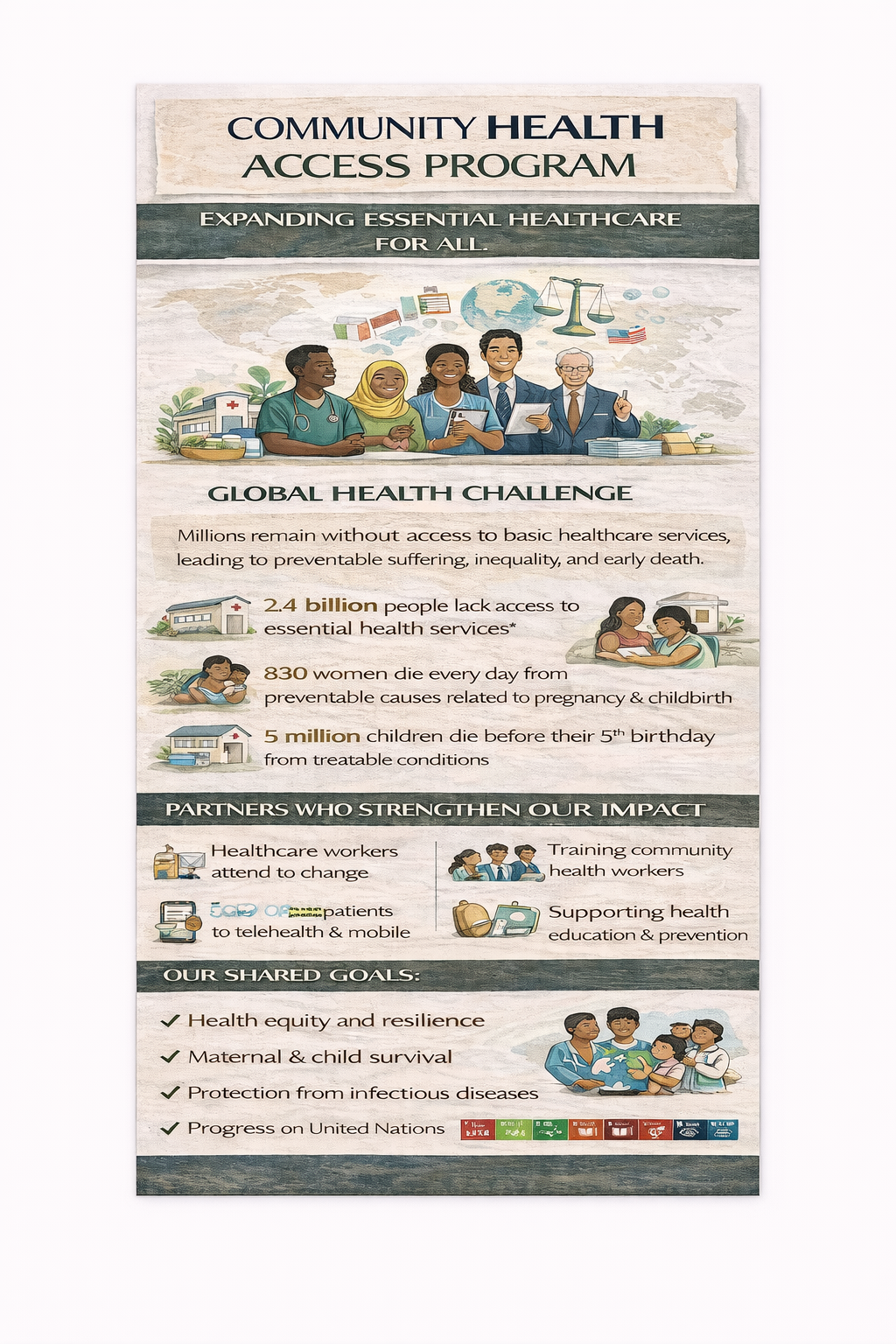
Not everyone arrives at older age with the same opportunities for health. A lifetime of differences in healthcare access, housing, nutrition, education, transportation, financial security, and preventive care can accumulate over decades. For some older adults, “eat healthier” is difficult when nutritious food is expensive. “Exercise more” may be complicated by mobility limitations or an unsafe neighborhood. “See a specialist” isn’t simple without transportation. Healthy aging therefore requires more than individual responsibility. It requires accessible healthcare, supportive families, strong communities, and services that allow people to age with dignity.
The Gatsby Healthy Aging Checkup
This September, ask yourself or an older adult you love:
- Are medical visits and recommended screenings up to date?
- Have vision and hearing been checked?
- Have medications been reviewed?
- Is there regular physical activity?
- Is the home safe from fall hazards?
- Is nutrition adequate?
- Is there meaningful social connection?
- Are there activities that provide purpose?
- Have future healthcare wishes been discussed with trusted family members?
You don’t have to fix everything today. Choose one area and begin. Small changes today can protect independence tomorrow.
Helpful Resources
Older adults and caregivers throughout the DMV can find support through state and local aging agencies, including assistance with transportation, nutrition, caregiving, Medicare, community programs, and aging in place.
Maryland Department of Aging
https://aging.maryland.gov/
DC Department of Aging and Community Living
https://dacl.dc.gov/
Virginia Department for Aging and Rehabilitative Services
https://www.dars.virginia.gov/
National Institute on Aging
https://www.nia.nih.gov/
Final Thoughts: Don’t Just Count the Years
Aging isn’t something happening only to our parents and grandparents. We are all aging. Schedule the checkup. Take the walk. Review the medications. Check the hearing. Make the house safer. Call the friend. Visit the parent.
Learn something new. Find something that gives tomorrow meaning. Healthy aging isn’t about pretending we are still 30. It is about doing what we can to remain healthy, independent, connected, valued, and purposeful at every stage of life. At The Gatsby Showcase Foundation, we believe every stage of life deserves dignity, opportunity, connection, and hope. The goal isn’t simply more years. It is more life in every year we are given.
Dr. Bertrand Fote, MD, MBA, FACEP, CFF
Emergency Medicine Physician
Health Equity Advocate
President, The Gatsby Showcase Foundation
Healthy Aging Begins Before We Are “Old”
We often measure aging by lifespan, how many years someone lives. But another important concept is healthspan: the years we spend relatively healthy, active, and functional. Two people may both live to 85, yet experience those years very differently. One may spend decades increasingly isolated and limited by poorly controlled chronic illness, while another remains active, socially connected, and largely independent. Healthy aging is about protecting that healthspan. And it doesn’t begin at 65. What we do in our 30s, 40s, 50s, and 60s helps shape how we experience our 70s, 80s, and beyond.
Prevention Doesn’t Retire When You Do
Aging brings changes, but not every new symptom should automatically be dismissed as: “I’m just getting old.” Regular healthcare remains important throughout life. Blood pressure, diabetes, cholesterol, cancer screening, vaccinations, vision, hearing, dental health, bone health, and medication management all deserve attention. Conditions such as hypertension and diabetes may cause few symptoms while gradually damaging the heart, kidneys, brain, eyes, and blood vessels. Healthy aging means staying engaged with healthcare before a crisis occurs, not simply seeking care after something goes wrong.
Keep Moving: Strength Is Independence
One of the most powerful tools for healthy aging doesn’t come in a prescription bottle. Movement matters. Walking, swimming, dancing, gardening, strength training, chair exercises, and other appropriate activities can support cardiovascular health, balance, bone health, sleep, and mobility. Maintaining strength becomes especially important because strength helps preserve something most people value deeply: independence. You don’t need to exercise like you did at 25. Ask instead: “What can I safely do today to keep my body moving?”
Prevent the Fall Before It Happens
Falls are a major health concern for older adults and can lead to fractures, hospitalization, fear of falling again, and loss of independence. But many risks can be reduced. Check the home for:
- Loose rugs and clutter
- Poor lighting
- Slippery bathrooms
- Missing handrails
- Unsafe stairs
Vision problems, muscle weakness, balance difficulties, and some medications can also increase fall risk. Fall prevention isn’t about restricting someone’s life. It’s about protecting their ability to keep living it.
Give the Medicine Cabinet a Checkup
As we age, medication lists often grow. Periodically review medications with a physician or pharmacist and ask: Do I still need everything I’m taking? Could any of these medications interact? Could one be contributing to dizziness, fatigue, confusion, or falls? Never stop prescribed medication without appropriate medical guidance. But regular medication review should be part of healthy aging. Sometimes good healthcare isn’t about adding another medicine. Sometimes it’s about making sure everything already being taken is still appropriate.
Protect the Mind and Stay Connected
Brain health matters too. Significant or progressive changes in memory, judgment, navigation, or the ability to
complete familiar tasks deserve medical attention. But healthy aging also means continuing to challenge the brain.
Read. Learn something new. Travel when possible. Play music. Take a class.
Teach someone something you know.
And perhaps most importantly, stay connected. Retirement, loss of a spouse, illness, transportation difficulties, and friends moving away can gradually shrink an older person’s social world. So when checking on an older adult, don’t only ask: “Are you taking your medicine?”
Ask: “Who did you spend time with this week?”
“What are you looking forward to?”
Sometimes an important prescription is simply connection.
Purpose Doesn’t Have an Expiration Date
People need reasons to get up in the morning at every age. Purpose may come from family, faith, volunteering, mentoring, work, travel, gardening, community service, or caring for grandchildren. Older adults carry decades of knowledge, experience, skills, and stories. Healthy communities don’t simply care for older adults. They continue creating opportunities for older adults to contribute to their communities. Retirement from a career should never mean retirement from life.
A Composite Story: Mr. Thomas Was “Just Getting Older”
Consider Mr. Thomas, a fictional composite representing circumstances many families experience. At 72, he had stopped attending community events, wasn’t walking as much, frequently asked people to repeat themselves, and had fallen twice. Whenever his daughter expressed concern, he responded: “I’m 72. I’m just getting old.” But his medical evaluation revealed several issues.
His hearing had declined. One medication was contributing to dizziness. His strength and balance had deteriorated. And since retirement, he had become increasingly isolated. There was no miracle treatment. Instead, several small interventions helped: a hearing evaluation, medication adjustment, strength and balance exercises, fall-prevention changes at home, regular walks, and eventually volunteering again. Mr. Thomas was still 72. What changed wasn’t his age. What changed was how he was living it.
Healthy Aging Is Also a Health Equity Issue
Not everyone arrives at older age with the same opportunities for health. A lifetime of differences in healthcare access, housing, nutrition, education, transportation, financial security, and preventive care can accumulate over decades. For some older adults, “eat healthier” is difficult when nutritious food is expensive. “Exercise more” may be complicated by mobility limitations or an unsafe neighborhood. “See a specialist” isn’t simple without transportation. Healthy aging therefore requires more than individual responsibility. It requires accessible healthcare, supportive families, strong communities, and services that allow people to age with dignity.
The Gatsby Healthy Aging Checkup
This September, ask yourself or an older adult you love:
- Are medical visits and recommended screenings up to date?
- Have vision and hearing been checked?
- Have medications been reviewed?
- Is there regular physical activity?
- Is the home safe from fall hazards?
- Is nutrition adequate?
- Is there meaningful social connection?
- Are there activities that provide purpose?
- Have future healthcare wishes been discussed with trusted family members?
You don’t have to fix everything today. Choose one area and begin. Small changes today can protect independence tomorrow.
Helpful Resources
Older adults and caregivers throughout the DMV can find support through state and local aging agencies, including assistance with transportation, nutrition, caregiving, Medicare, community programs, and aging in place.
Maryland Department of Aging
https://aging.maryland.gov/
DC Department of Aging and Community Living
https://dacl.dc.gov/
Virginia Department for Aging and Rehabilitative Services
https://www.dars.virginia.gov/
National Institute on Aging
https://www.nia.nih.gov/
Final Thoughts: Don’t Just Count the Years
Aging isn’t something happening only to our parents and grandparents. We are all aging. Schedule the checkup. Take the walk. Review the medications. Check the hearing. Make the house safer. Call the friend. Visit the parent.
Learn something new. Find something that gives tomorrow meaning. Healthy aging isn’t about pretending we are still 30. It is about doing what we can to remain healthy, independent, connected, valued, and purposeful at every stage of life. At The Gatsby Showcase Foundation, we believe every stage of life deserves dignity, opportunity, connection, and hope. The goal isn’t simply more years. It is more life in every year we are given.
Dr. Bertrand Fote, MD, MBA, FACEP, CFF
Emergency Medicine Physician
Health Equity Advocate
President, The Gatsby Showcase Foundation