
Mental Wealth: Protecting Your Financial Health in Stressful Times
Mental Health Awareness, Financial Stress, and Emotional WellnessMoney is emotional.
It affects how we sleep, how we work, how we parent, and even how we see ourselves. For many people, financial stress is not just an inconvenience, it becomes a constant emotional burden that quietly impacts mental and physical health. And yet, during conversations about mental wellness, finances are often left out.
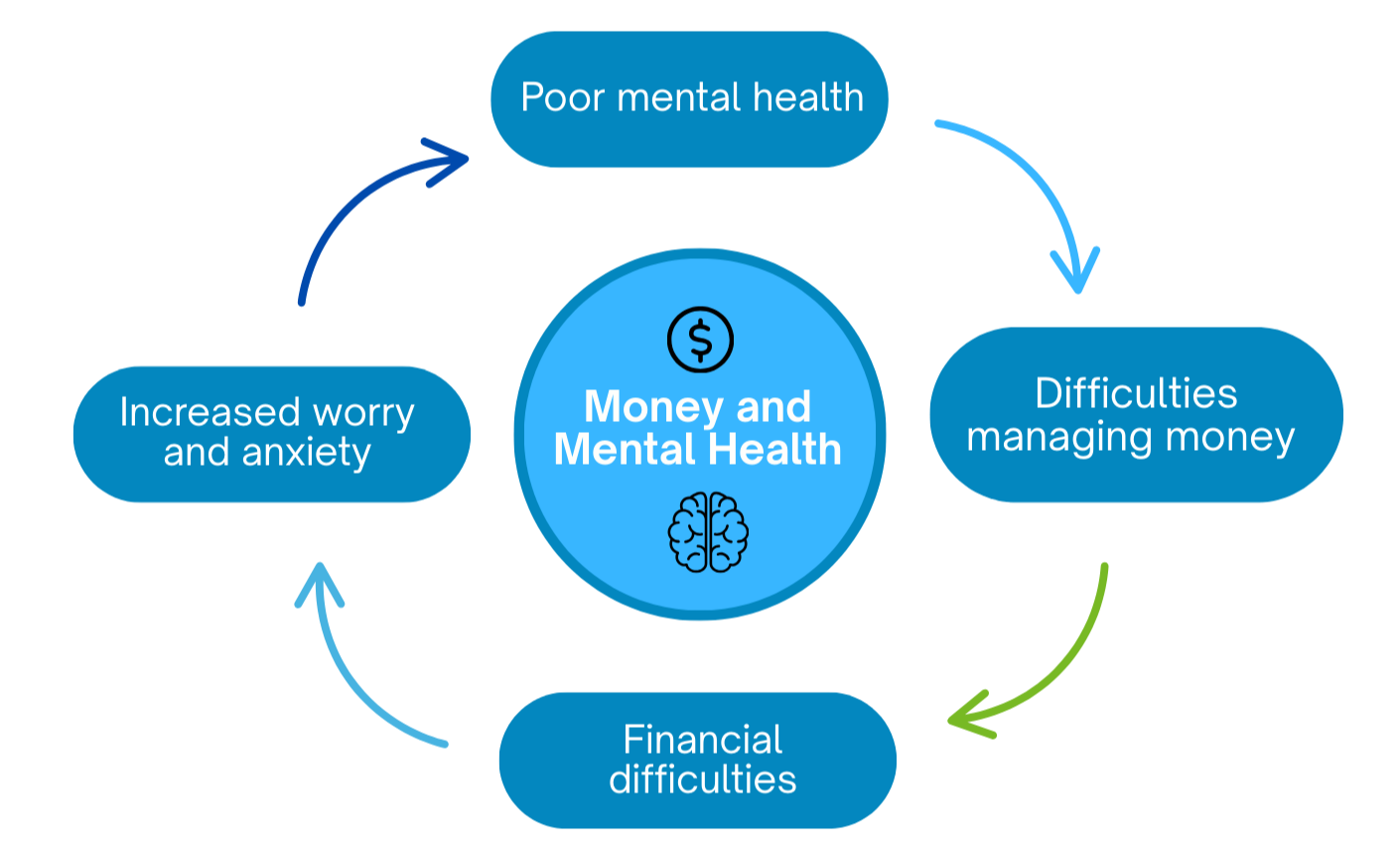
The Emotional Side of Money
Financial decisions are rarely just mathematical. They are emotional, psychological, and deeply personal.
Many people develop money habits based on:
- Childhood experiences
- Trauma or instability
- Family beliefs about wealth
- Cultural expectations
- Fear, shame, or scarcity mindset
That means:
- Some people overspend for comfort
- Others avoid checking accounts due to anxiety
- Some stay in toxic jobs because financial insecurity feels terrifying
- Others tie self-worth directly to income or possessions
Understanding your emotional relationship with money is one of the most important steps toward true financial wellness.

May is Mental Health Awareness Month, making it the perfect time to talk honestly about one of the leading causes of anxiety and emotional exhaustion in America: financial stress.
According to multiple national studies:
- Over 70% of Americans report feeling stressed about money
- Financial anxiety contributes to insomnia, depression, burnout, and relationship strain
- Many people silently carry shame around debt, low income, or financial mistakes
But here is the truth:
Financial wellness is mental wellness.
You cannot separate peace of mind from financial stability. And while money alone cannot buy happiness, financial chaos can absolutely steal peace.
This month, we explore how to protect not just your wallet but your emotional wellbeing.
A Story of Survival: Nadia’s Silent Stress
Nadia, a 34-year-old healthcare worker in Baltimore, looked successful from the outside. She had a stable job, a nice apartment, and always showed up smiling.
But privately, she was struggling.
She carried:
- $18,000 in credit card debt
- Student loans
- Constant overdraft fees
- Anxiety attacks every payday
The stress became overwhelming. She avoided opening bills, stopped answering unknown phone numbers, and even social invitations became difficult because she feared spending money.
Then, during a workplace wellness seminar, Nadia heard something that changed her perspective:
“Financial stress is a health issue—not a personal failure.”
That sentence gave her permission to seek help.
She connected with a financial coach, created a manageable repayment plan, started budgeting weekly instead of monthly, and began attending therapy.
Within a year:
- She reduced her debt by nearly $7,000
- Built a small emergency fund
- Reported fewer panic attacks
- Started sleeping through the night again
“I realized I didn’t need to be perfect,” Nadia says. “I just needed a plan and support.”
May is Mental Health Awareness Month, making it the perfect time to talk honestly about one of the leading causes of anxiety and emotional exhaustion in America: financial stress.
According to multiple national studies:
- Over 70% of Americans report feeling stressed about money
- Financial anxiety contributes to insomnia, depression, burnout, and relationship strain
- Many people silently carry shame around debt, low income, or financial mistakes
But here is the truth:
Financial wellness is mental wellness.
You cannot separate peace of mind from financial stability. And while money alone cannot buy happiness, financial chaos can absolutely steal peace.
This month, we explore how to protect not just your wallet but your emotional wellbeing.
A Story of Survival: Nadia’s Silent Stress
Nadia, a 34-year-old healthcare worker in Baltimore, looked successful from the outside. She had a stable job, a nice apartment, and always showed up smiling.
But privately, she was struggling.
She carried:
- $18,000 in credit card debt
- Student loans
- Constant overdraft fees
- Anxiety attacks every payday
The stress became overwhelming. She avoided opening bills, stopped answering unknown phone numbers, and even social invitations became difficult because she feared spending money.
Then, during a workplace wellness seminar, Nadia heard something that changed her perspective:
“Financial stress is a health issue—not a personal failure.”
That sentence gave her permission to seek help.
She connected with a financial coach, created a manageable repayment plan, started budgeting weekly instead of monthly, and began attending therapy.
Within a year:
- She reduced her debt by nearly $7,000
- Built a small emergency fund
- Reported fewer panic attacks
- Started sleeping through the night again
“I realized I didn’t need to be perfect,” Nadia says. “I just needed a plan and support.”
The Emotional Side of Money
Financial decisions are rarely just mathematical. They are emotional, psychological, and deeply personal.
Many people develop money habits based on:
- Childhood experiences
- Trauma or instability
- Family beliefs about wealth
- Cultural expectations
- Fear, shame, or scarcity mindset
That means:
- Some people overspend for comfort
- Others avoid checking accounts due to anxiety
- Some stay in toxic jobs because financial insecurity feels terrifying
- Others tie self-worth directly to income or possessions
Understanding your emotional relationship with money is one of the most important steps toward true financial wellness.