Healthcare Education and Literacy

Healthcare Access & Equity

UN SDG Alignment: SDG 3 • SDG 4 • SDG 10 • SDG 17

The Health Education & Literacy Program empowers individuals and families with the knowledge, skills, and confidence needed to make informed decisions about their health and well-being. The Gatsby Showcase Foundation recognizes that health outcomes are deeply shaped by access to accurate information, preventive education, and the ability to navigate healthcare systems effectively.

Aligned with the United Nations Sustainable Development Goals particularly SDG 3 (Good Health and Well-Being), SDG 4 (Quality Education), and SDG 10 (Reduced Inequalities) this program addresses critical gaps in health knowledge that disproportionately affect underserved and marginalized communities.

Program Focus

The Health Education & Literacy Program prioritizes:

  • Preventive health education and awareness

  • Health system literacy and navigation

  • Chronic disease awareness and self-management

  • Community-based, culturally responsive health learning

The program supports individuals across the lifespan and is designed to complement direct healthcare access initiatives by strengthening understanding, confidence, and self-advocacy.

What We Do

Community Health Education Sessions

(SDG 3 | SDG 4)

We deliver accessible, culturally responsive health education through:

  • Community workshops and seminars

  • School- and community-based presentations

  • Partnerships with healthcare professionals and subject matter experts

Educational topics may include preventive care, nutrition, mental health awareness, chronic disease prevention and management, and overall wellness. Sessions are tailored to meet community needs and promote practical, actionable learning.

Health Literacy & System Navigation

(SDG 3 | SDG 10)

Participants receive practical guidance on:

  • Understanding health information and medical instructions

  • Navigating healthcare systems and insurance options

  • Communicating effectively with healthcare providers

By strengthening health literacy, the program empowers individuals to advocate for themselves, engage more confidently with providers, and access care more effectively.

Digital Education, Blogs & Webinars

(SDG 4 | SDG 17)

To expand reach and accessibility, the program serves as a digital hub for:

  • Health education blogs and written resources

  • Educational webinars and virtual learning sessions

  • Video-based and multimedia health content

These resources extend learning beyond in-person sessions, support continuous engagement, and increase access to reliable health information regardless of location.

Why This Matters

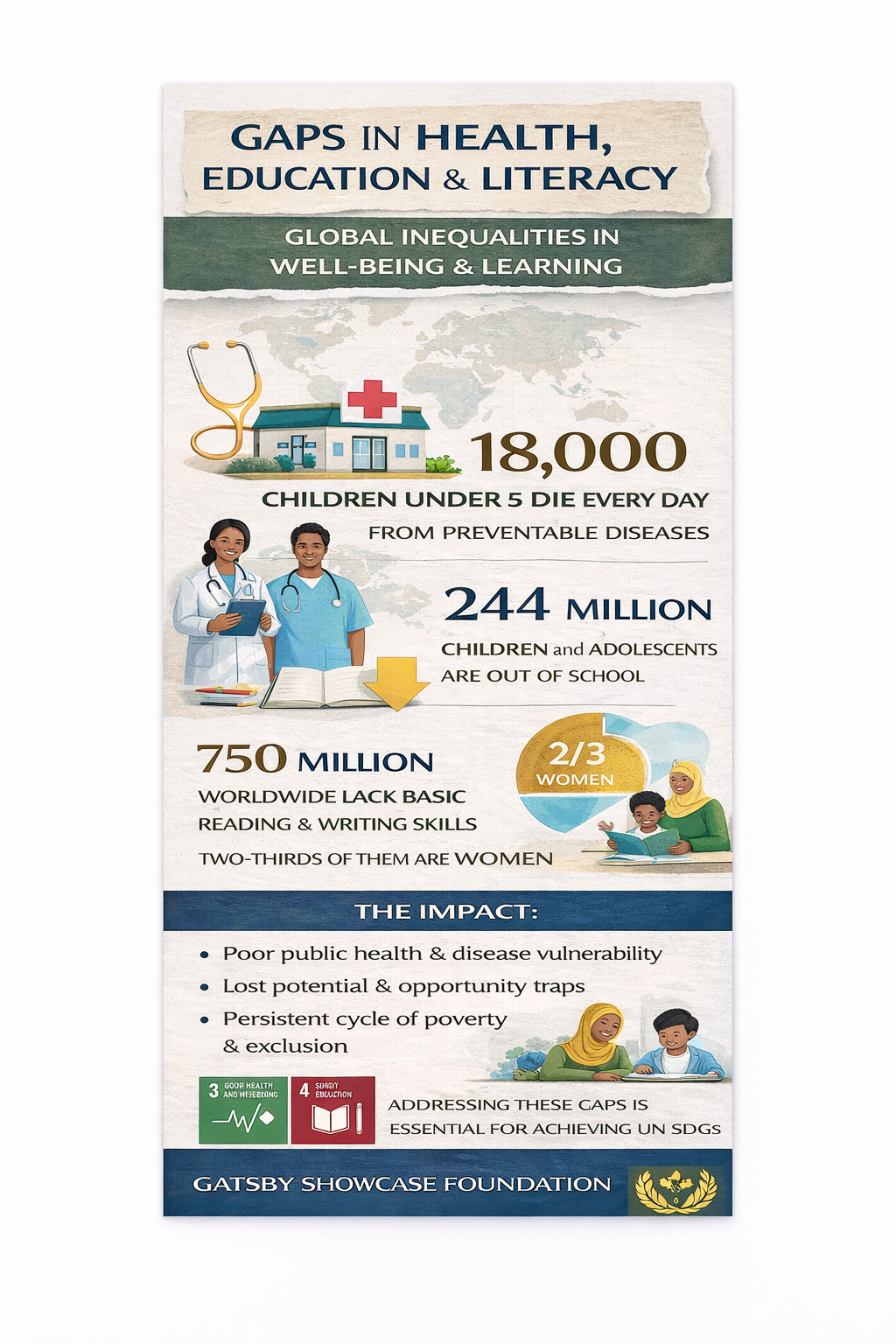
Limited health literacy contributes to delayed care, preventable illness, and poor health outcomes. By expanding access to clear, reliable, and culturally relevant health education, this program helps reduce disparities and promote informed, proactive health decision-making.

Health education is a foundational component of achieving equitable health outcomes and plays a critical role in strengthening long-term community resilience.

Measuring Impact

Program impact is evaluated through:

  • Number of individuals reached through education sessions and digital platforms

  • Engagement levels in workshops, webinars, and learning resources

  • Participant feedback and self-reported improvements in health understanding

  • Growth and sustainability of healthcare and community partnerships

These metrics support transparency, accountability, and continuous program refinement.

Looking Ahead

As the program expands, future initiatives may include:

  • Enhanced digital learning platforms and resource libraries

  • School-based health education programming

  • Targeted education campaigns addressing community-specific health needs

  • Integration with broader healthcare access, workforce, and equity initiatives

Program growth will be guided by demonstrated impact, community demand, and strategic partnerships.

Partner With Us

Healthcare professionals, educators, and community organizations play a vital role in advancing health education and equity. We welcome partnerships that expand access to knowledge, strengthen health literacy, and improve community health outcomes.
Program Focus

The Health Education & Literacy Program prioritizes:

  • Preventive health education and awareness

  • Health system literacy and navigation

  • Chronic disease awareness and self-management

  • Community-based, culturally responsive health learning

The program supports individuals across the lifespan and is designed to complement direct healthcare access initiatives by strengthening understanding, confidence, and self-advocacy.

What We Do

Community Health Education Sessions

(SDG 3 | SDG 4)

We deliver accessible, culturally responsive health education through:

  • Community workshops and seminars

  • School- and community-based presentations

  • Partnerships with healthcare professionals and subject matter experts

Educational topics may include preventive care, nutrition, mental health awareness, chronic disease prevention and management, and overall wellness. Sessions are tailored to meet community needs and promote practical, actionable learning.

Health Literacy & System Navigation

(SDG 3 | SDG 10)

Participants receive practical guidance on:

  • Understanding health information and medical instructions

  • Navigating healthcare systems and insurance options

  • Communicating effectively with healthcare providers

By strengthening health literacy, the program empowers individuals to advocate for themselves, engage more confidently with providers, and access care more effectively.

Digital Education, Blogs & Webinars

(SDG 4 | SDG 17)

To expand reach and accessibility, the program serves as a digital hub for:

  • Health education blogs and written resources

  • Educational webinars and virtual learning sessions

  • Video-based and multimedia health content

These resources extend learning beyond in-person sessions, support continuous engagement, and increase access to reliable health information regardless of location.

Why This Matters

Limited health literacy contributes to delayed care, preventable illness, and poor health outcomes. By expanding access to clear, reliable, and culturally relevant health education, this program helps reduce disparities and promote informed, proactive health decision-making.

Health education is a foundational component of achieving equitable health outcomes and plays a critical role in strengthening long-term community resilience.

Measuring Impact

Program impact is evaluated through:

  • Number of individuals reached through education sessions and digital platforms

  • Engagement levels in workshops, webinars, and learning resources

  • Participant feedback and self-reported improvements in health understanding

  • Growth and sustainability of healthcare and community partnerships

These metrics support transparency, accountability, and continuous program refinement.

Looking Ahead

As the program expands, future initiatives may include:

  • Enhanced digital learning platforms and resource libraries

  • School-based health education programming

  • Targeted education campaigns addressing community-specific health needs

  • Integration with broader healthcare access, workforce, and equity initiatives

Program growth will be guided by demonstrated impact, community demand, and strategic partnerships.

Partner With Us

Healthcare professionals, educators, and community organizations play a vital role in advancing health education and equity. We welcome partnerships that expand access to knowledge, strengthen health literacy, and improve community health outcomes.

Skip to content