
Beyond the Numbers: Understanding Diabetes, Protecting Our Health, and Changing the Future
November 2026 | National Diabetes MonthWhy This Matters
For millions of Americans, diabetes is a condition that quietly influences nearly every aspect of daily life. It shapes decisions about food, physical activity, medications, employment, family responsibilities, and long-term health. Yet despite its prevalence, diabetes remains widely misunderstood, often reduced to conversations about sugar consumption or personal lifestyle choices.
The reality is far more complex. Diabetes is a chronic metabolic disease that can develop gradually, remain undetected for years, and cause significant damage before obvious symptoms appear. Its consequences extend beyond blood glucose levels, affecting the heart, kidneys, eyes, nerves, and blood vessels. For families already navigating financial hardship or limited access to healthcare, managing diabetes can become an additional burden.
November is National Diabetes Month, an opportunity to move beyond statistics and examine what diabetes means for individuals, families, and communities. At The Gatsby Showcase Foundation, we believe that improving health begins with understanding, but meaningful progress also requires access to preventive care, early intervention, and the resources necessary to sustain healthier lives.
Helpful Resources for Individuals and Families
National Resources
- American Diabetes Association: Education, prevention, treatment guidance, and support resources. https://diabetes.org/
- CDC Diabetes: Information on diabetes prevention, risk factors, and disease management. https://www.cdc.gov/diabetes/
- National Diabetes Prevention Program: Evidence-based lifestyle-change programs for individuals at risk of type 2 diabetes. https://www.cdc.gov/diabetes-prevention/
- National Institute of Diabetes and Digestive and Kidney Diseases: Research-based information about diabetes and its complications. https://www.niddk.nih.gov/
DMV Resources
- Maryland Department of Health: Public health information and local chronic disease prevention resources. https://health.maryland.gov/
- DC Health: Community health programs and chronic disease prevention information. https://dchealth.dc.gov/
- Virginia Department of Health: Diabetes prevention and management resources. https://www.vdh.virginia.gov/
Community health centers, local health departments, and hospital-based diabetes education programs may also provide screening, counseling, and assistance connecting patients with affordable care.
Understanding Diabetes: More Than a Blood Sugar Problem
Diabetes develops when the body cannot produce enough insulin or cannot effectively use the insulin it produces. Insulin helps glucose move from the bloodstream into the body’s cells, where it is used for energy. When this process is disrupted, glucose accumulates in the blood, potentially damaging organs and tissues over time.
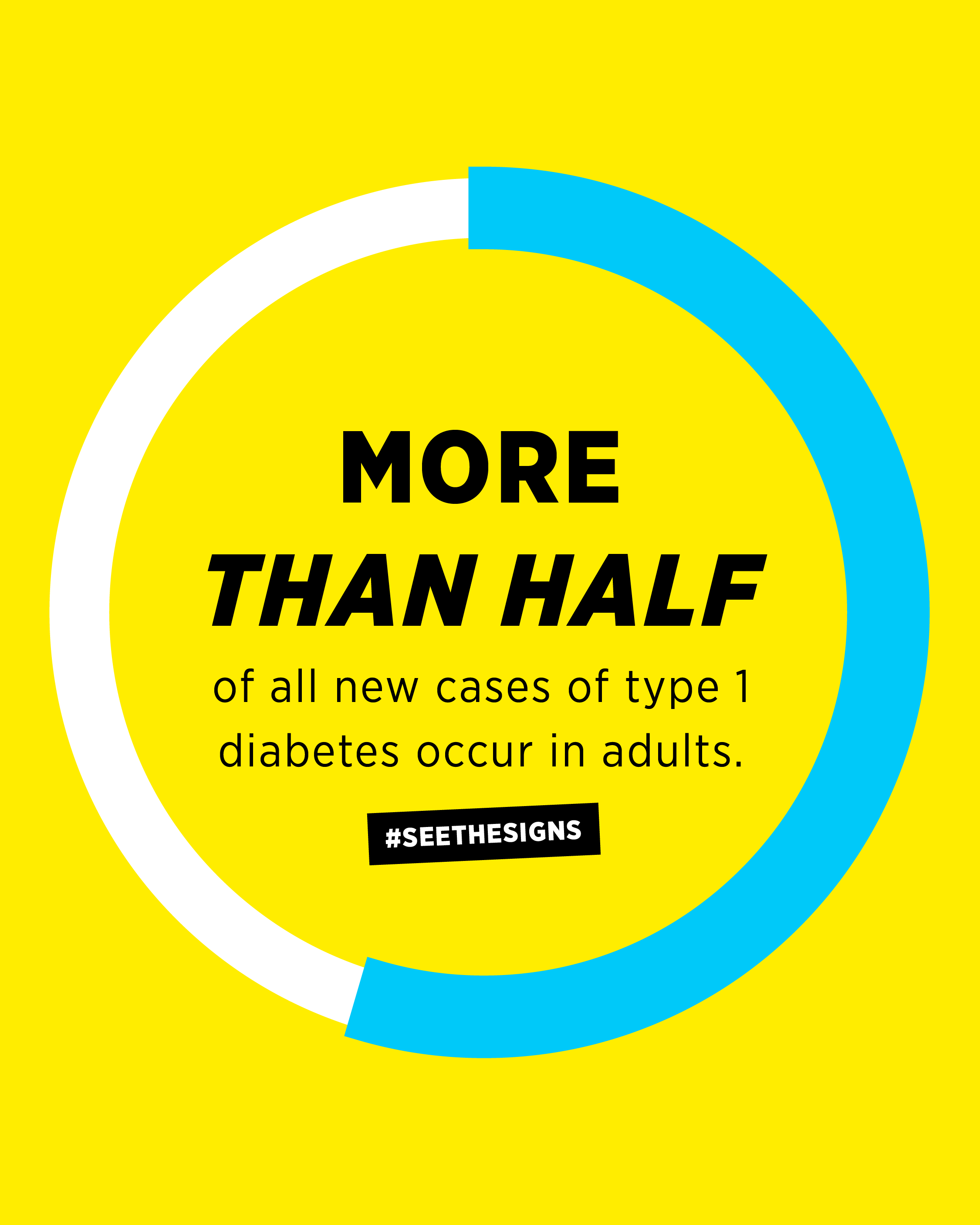
There are several forms of diabetes. Type 1 diabetes is an autoimmune condition in which the body destroys insulin-producing cells, requiring lifelong insulin treatment. Type 2 diabetes, the most common form, develops when the body becomes resistant to insulin and cannot produce enough to compensate. Gestational diabetes develops during pregnancy and can increase future health risks for both mother and child.
Prediabetes is another important concern. It occurs when blood glucose levels are elevated but have not reached the threshold for diabetes. Many individuals with prediabetes experience no noticeable symptoms, making routine screening especially valuable.
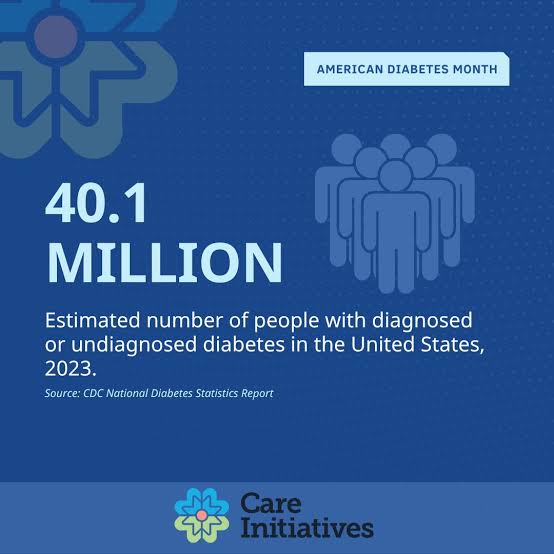
According to the Centers for Disease Control and Prevention, approximately 40 million Americans have diabetes, while many more live with prediabetes. These figures illustrate why diabetes prevention and management must remain public health priorities.
Importantly, diabetes is not simply the result of eating too much sugar. Genetics, family history, age, metabolic health, pregnancy-related factors, environmental conditions, and access to nutritious food and healthcare all influence risk.
The Danger of a Disease That May Develop Silently
One of the greatest challenges with type 2 diabetes is that it can progress without dramatic warning signs. Some individuals experience increased thirst, frequent urination, unexplained weight changes, fatigue, blurred vision, or slow-healing wounds. Others discover their diagnosis during routine laboratory testing.
By the time symptoms become significant, complications may already be developing.
Persistently elevated blood glucose can damage small blood vessels in the eyes and kidneys, contribute to nerve injury, and increase the risk of cardiovascular disease. Diabetes is also associated with serious foot infections and, in advanced cases, amputations.
Yet these outcomes are not inevitable. Early diagnosis, appropriate treatment, regular monitoring, and management of related conditions such as hypertension and elevated cholesterol can substantially reduce the risk of complications.
Screening is especially important for adults with risk factors, including excess weight, family history, previous gestational diabetes, or certain metabolic conditions. Current preventive-care recommendations also support routine screening for many adults beginning in midlife, with earlier evaluation when individual risk warrants it.
A simple conversation with a healthcare professional about blood glucose testing or hemoglobin A1c can be an important first step toward protecting long-term health.
Helpful Resources for Individuals and Families
National Resources
- American Diabetes Association: Education, prevention, treatment guidance, and support resources. https://diabetes.org/
- CDC Diabetes: Information on diabetes prevention, risk factors, and disease management. https://www.cdc.gov/diabetes/
- National Diabetes Prevention Program: Evidence-based lifestyle-change programs for individuals at risk of type 2 diabetes. https://www.cdc.gov/diabetes-prevention/
- National Institute of Diabetes and Digestive and Kidney Diseases: Research-based information about diabetes and its complications. https://www.niddk.nih.gov/
DMV Resources
- Maryland Department of Health: Public health information and local chronic disease prevention resources. https://health.maryland.gov/
- DC Health: Community health programs and chronic disease prevention information. https://dchealth.dc.gov/
- Virginia Department of Health: Diabetes prevention and management resources. https://www.vdh.virginia.gov/
Community health centers, local health departments, and hospital-based diabetes education programs may also provide screening, counseling, and assistance connecting patients with affordable care.
Prevention Begins With Sustainable Choices
For individuals at risk of type 2 diabetes, prevention does not require perfection. It requires consistent, realistic changes that can be maintained over time.
Regular physical activity improves insulin sensitivity and supports cardiovascular health. Balanced nutrition, including vegetables, fruits, whole grains, lean proteins, and fiber-rich foods, can help regulate blood glucose and support healthy weight management. Adequate sleep, stress management, and avoiding tobacco also contribute to metabolic health.
For individuals with prediabetes, structured lifestyle programs can be particularly beneficial. The CDC’s National Diabetes Prevention Program provides an evidence-based approach to reducing the risk of developing type 2 diabetes through sustainable behavioral changes.
But prevention must also be realistic. Advising someone to eat healthier is insufficient when nutritious food is unaffordable or unavailable. Encouraging exercise means little when neighborhoods lack safe walking areas or individuals work multiple jobs with limited time for recreation.
Effective prevention requires both personal commitment and community conditions that make healthy choices possible.
Living With Diabetes: Management, Not Defeat
A diabetes diagnosis can feel overwhelming, particularly when individuals are suddenly asked to understand medications, monitor glucose levels, change eating habits, and anticipate potential complications.
However, diabetes does not mean surrendering control of one’s future.
With appropriate treatment and support, many people living with diabetes maintain active, productive, and fulfilling lives. Management may involve nutrition planning, physical activity, oral medications, injectable therapies, insulin, or glucose-monitoring technology, depending on the type of diabetes and individual circumstances.
Regular follow-up is essential. Diabetes care extends beyond blood sugar management to include blood pressure and cholesterol control, kidney function monitoring, retinal examinations, foot care, and attention to emotional well-being.
The psychological burden should not be overlooked. Diabetes distress the frustration, worry, or exhaustion associated with ongoing disease management—can affect motivation and treatment adherence. Compassionate healthcare recognizes that managing a chronic illness is not merely a medical task but an ongoing personal and emotional responsibility.
Patients deserve individualized treatment plans that account for their goals, resources, cultural preferences, and daily realities.
A Story of Early Intervention: The Difference Awareness Can Make
Consider Mr. Jackson, a fictional composite representing circumstances commonly encountered in clinical practice.
At 54, Mr. Jackson considered himself reasonably healthy. He worked long hours, rarely visited a physician, and attributed his persistent fatigue to the demands of his job. Over several months, he noticed increasing thirst and more frequent urination but dismissed both as minor inconveniences.
During a routine evaluation, laboratory testing revealed significantly elevated blood glucose and a diagnosis of type 2 diabetes. Further assessment identified hypertension and early evidence of kidney involvement.
Initially, Mr. Jackson felt discouraged. He worried about medications, dietary restrictions, and whether diabetes would eventually prevent him from working or enjoying time with his family.
His healthcare team helped him understand that the diagnosis was not a prediction of inevitable decline. Together, they developed a manageable treatment plan that included medication, nutrition counseling, gradual increases in physical activity, and regular follow-up.
Over time, his blood glucose and blood pressure improved, and he became more confident in managing his condition.
Mr. Jackson’s experience illustrates an important principle: while diabetes may develop quietly, early recognition and consistent care can change its trajectory.
Diabetes and Health Equity: Looking Beyond Individual Responsibility
Diabetes does not affect every community equally. In the United States, Black, Hispanic, American Indian, and certain other populations experience disproportionate burdens of diabetes and related complications.
These differences cannot be explained by individual behavior alone. They reflect overlapping influences that include socioeconomic conditions, access to preventive healthcare, food insecurity, insurance coverage, environmental factors, and longstanding disparities in health outcomes.
For someone living in a community with limited grocery options, maintaining a recommended diet may require significant financial and logistical effort. For an uninsured patient, glucose-monitoring supplies and medications may compete with rent, utilities, or other household necessities. Transportation difficulties and inflexible work schedules can further complicate access to specialist care.
Addressing these barriers requires culturally responsive education, affordable medications, accessible preventive services, and stronger community partnerships.
At The Gatsby Showcase Foundation, our commitment to health equity is rooted in the belief that individuals should not be disadvantaged in their pursuit of health because of income, geography, or circumstances beyond their control.
The Gatsby Diabetes Prevention and Wellness Checklist
Whether you are concerned about your risk or already living with diabetes, several practical steps can help protect your health:
-
Know your risk: Discuss family history, weight-related concerns, previous gestational diabetes, and other risk factors with your healthcare professional.
-
Get screened: Ask whether blood glucose or hemoglobin A1c testing is appropriate for you.
-
Move consistently: Incorporate regular physical activity and reduce prolonged sedentary time.
-
Choose balanced nutrition: Emphasize fiber-rich foods, appropriate portions, and sustainable eating habits.
-
Follow your treatment plan: Take prescribed medications as directed and discuss challenges openly with your healthcare team.
-
Protect your heart, kidneys, eyes, and feet: Stay current with recommended monitoring and preventive examinations.
-
Seek support: Diabetes education programs, registered dietitians, pharmacists, and community resources can make long-term management more achievable.
Small, consistent steps can have a meaningful impact, particularly when supported by appropriate medical care.
Final Thoughts: Changing the Future Begins With Awareness
Diabetes is a serious public health challenge, but it is not a condition that should be defined solely by fear, limitations, or inevitable complications. Scientific advances, preventive screening, effective treatments, and better education have created meaningful opportunities to improve outcomes and protect quality of life.
The challenge is ensuring that these opportunities reach everyone.
During National Diabetes Month, we encourage individuals to learn their risk, seek appropriate screening, and take practical steps toward healthier living. We also encourage families to support loved ones managing diabetes with understanding rather than judgment, and communities to advocate for greater access to prevention and treatment.
At The Gatsby Showcase Foundation, we believe that health education should do more than increase awareness. It should inspire action, strengthen families, and help create communities in which healthier futures are possible for all.
Diabetes may change the way we manage our health, but with knowledge, support, and access to quality care, it does not have to define the possibilities of our lives.
By Dr. Bertrand Fote, MD, MBA, FACEP, CF2
Emergency Medicine Physician | Health Equity Advocate
President, The Gatsby Showcase Foundation