
The Wealth of Giving: Gratitude, Generosity, and Financial Wisdom
November 2026 | The Gatsby Showcase Foundation Financial Literacy SeriesWhy This Matters
November invites us to reflect on gratitude, family, community, and the blessings that enrich our lives. As Thanksgiving approaches, conversations naturally turn toward what we have received, the people who have supported us, and how we can extend that generosity to others. Yet amid these reflections lies an important financial question: How do we give meaningfully while remaining responsible stewards of our own resources?
Generosity is deeply embedded in many families and communities. We support relatives facing difficult circumstances, contribute to charitable organizations, help students pursue education, and respond when friends or neighbors experience hardship. These acts of kindness can change lives and create opportunities far beyond the original gift. However, generosity can become a source of financial strain when driven by guilt, social expectations, or obligations that exceed our capacity. Some individuals give while carrying high-interest debt. Others repeatedly assist relatives at the expense of their own retirement savings or household stability.
The challenge is not choosing between generosity and financial security, but learning to balance them.
Financial wisdom allows us to give with intention, support others with dignity, and build the stability necessary to sustain our generosity over time.


When Helping Others Begins to Hurt
Consider the illustrative story of Michael, a 52-year-old professional living in Northern Virginia.
Throughout his career, Michael has taken pride in being someone his family can depend on. He contributes to community fundraisers, helps relatives with educational expenses, and regularly assists extended family members experiencing hardship.
Over time, however, the requests become more frequent. A relative needs help with rent, another requires assistance with medical expenses, and a nephew needs tuition support. Michael rarely says no because he believes that earning a comfortable income means he should always be able to help.
Eventually, his credit card balances increase, his emergency savings decline, and his retirement goals begin falling behind. His challenge is not a lack of compassion, but the absence of financial boundaries.
After reviewing his finances, Michael establishes a dedicated monthly giving budget covering family assistance, charitable contributions, and unexpected requests. He also begins distinguishing between genuine emergencies and recurring needs that may require longer-term solutions. When he cannot provide money, he offers guidance, professional connections, or help identifying community resources.
Michael discovers that financial boundaries do not diminish his generosity. They make it more intentional and sustainable.
Generosity should strengthen lives, including the life of the person who gives.
Giving Generously Without Giving Beyond Your Means
Financial generosity is often measured by the amount contributed, yet its true value cannot be understood solely through dollars. A modest contribution from a household with limited resources may represent considerable sacrifice, while a larger gift from someone with substantial assets may have little effect on financial security.
Responsible giving begins with understanding one’s financial capacity. Before making significant commitments, individuals should consider essential household expenses, debt obligations, emergency reserves, and long-term financial goals.
This does not mean generosity must wait until every financial objective has been achieved. Rather, giving should be incorporated into a thoughtful financial plan instead of occurring primarily in response to emotional pressure.
A dedicated giving category within the household budget can help. Some families establish a fixed monthly amount, while others allocate a percentage of income or reserve funds for particular causes.
Equally important is recognizing that generosity extends beyond money. Mentorship, volunteering, professional expertise, and sharing educational opportunities can create tremendous value without placing additional pressure on household finances.
At its best, generosity is not simply transferring resources. It is an expression of purpose guided by wisdom.
From Charity to Lasting Impact
November also provides an opportunity to consider the impact we hope our generosity will achieve.
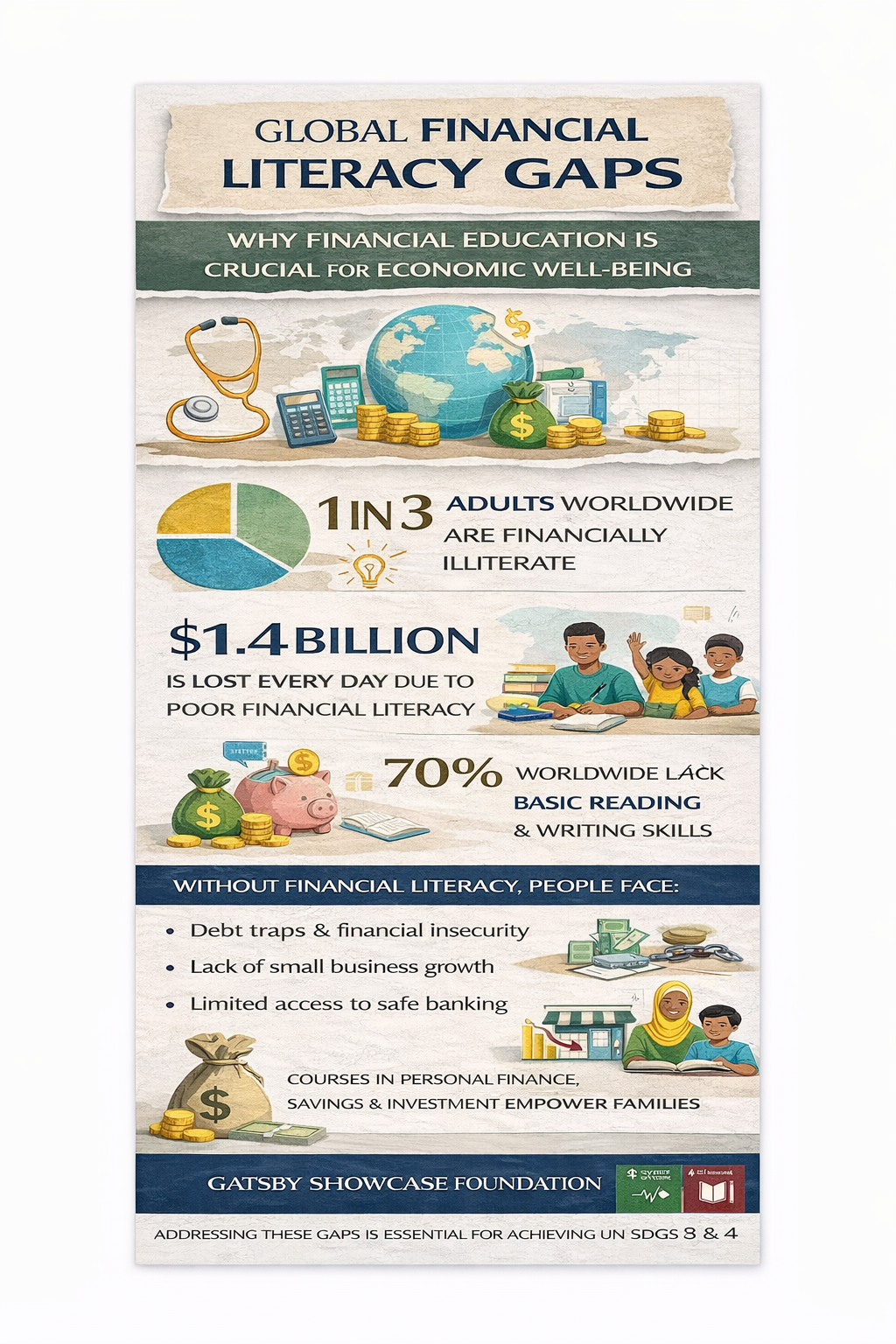
There is an important distinction between responding to immediate needs and addressing the circumstances that contribute to recurring hardship. Both are valuable. Providing food to a struggling family offers essential relief today, while supporting education, entrepreneurship, or financial literacy may help create greater stability tomorrow.
Individuals and families can make giving more meaningful by identifying causes aligned with their values. Education, healthcare access, economic empowerment