
More Than a Backpack: Preparing Our Children for a Healthy, Successful School Year
Because school readiness begins with healthy bodies, healthy minds, and supported familiesEvery August, families across our communities begin a familiar ritual.Backpacks are purchased. School supply lists are checked. Uniforms and shoes are replaced after another summer growth spurt. Transportation arrangements are made.Calendars begin filling with practices, activities, parent meetings, and school events. We spend enormous energy making sure children have everything they need for the classroom. But before the first bell rings, there is another question worth asking:

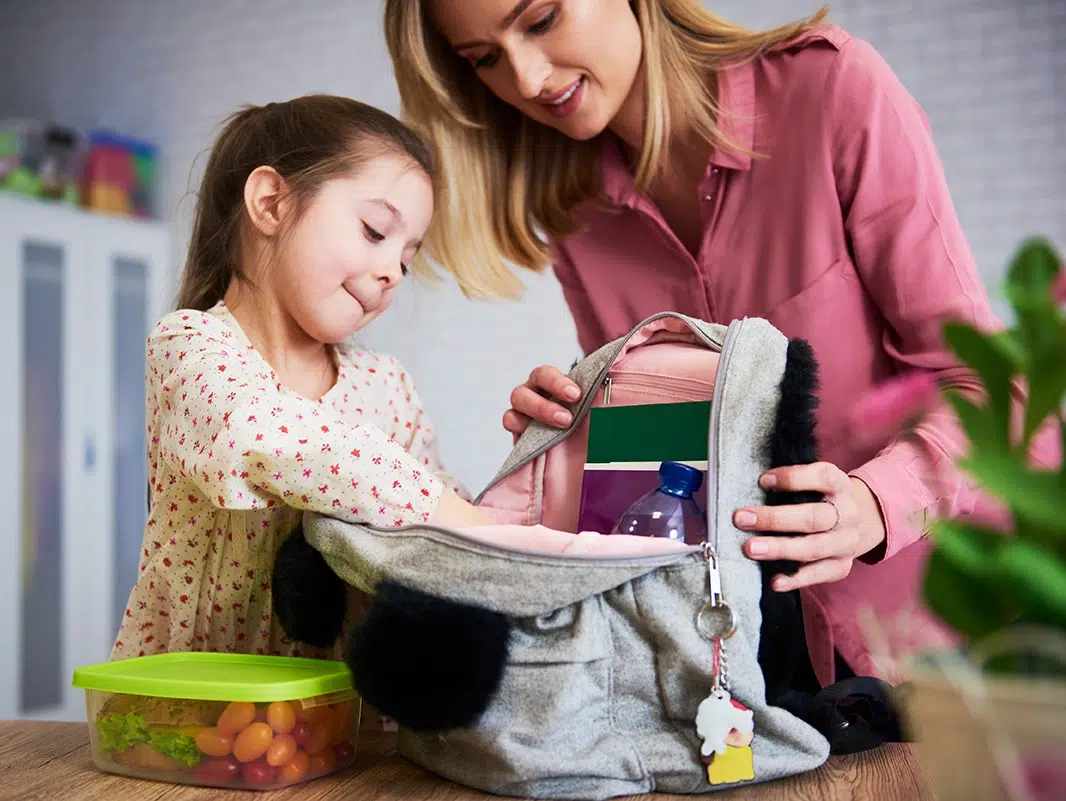
Is our child healthy and truly ready to learn?
A successful school year requires much more than pencils, notebooks, and a new backpack. A child who cannot see the board clearly, isn't sleeping enough, is struggling with anxiety, has uncontrolled asthma, is hungry during the school day, or is being
bullied may walk into the same classroom as everyone else but that child isn't starting from the same place. Health and education are inseparable. The American Academy of Pediatrics emphasizes that annual checkups can identify concerns involving vision, hearing, breathing, heart function, sleep, nutrition, development, and emotional health issues that can directly affect a child’s ability to learn and thrive at school.At The Gatsby Showcase Foundation, our commitment to education extends beyond
helping children enter classrooms. We want children to arrive healthy, supported, confident, and prepared to reach their full potential. This August, as families prepare for another academic year, we're looking beyond the backpack and focusing on the whole child.
School Readiness Is Health Readiness
We sometimes separate education and healthcare as though they exist in different worlds.They don’t. A child’s ability to learn is influenced every day by physical and emotional health. Consider a child who is constantly tired. Concentration becomes difficult. A child who cannot see the board may stop participating. A child with untreated dental pain may be unable to focus. A child worried about violence at home or food for dinner may have difficulty concentrating on multiplication. A child experiencing anxiety may complain of headaches or stomachaches and begin missing school. And a child whose asthma isn’t properly controlled may miss days or weeks of instruction.Sometimes what appears to be an academic problem is actually a health problem asking to be noticed.That is why preparing children for school must involve the whole child.
Start With the Annual Checkup
One of the most important back-to-school appointments isn’t at the mall. It’s with your child’s healthcare provider. An annual wellness examination allows a clinician to evaluate much more than whether a child appears healthy. Depending on age and individual needs, a visit may include assessment of:
- Height and weight
- Blood pressure
- Growth and development
- Vision
- Hearing
- Nutrition
- Sleep
- Physical activity
- Emotional and behavioral health
- Chronic medical conditions
- Immunization status
For student-athletes, the visit also provides an opportunity to discuss previous injuries, exercise-related symptoms, family cardiac history, and whether additional evaluation is appropriate before participating in sports. The AAP notes that, for some otherwise healthy children, the annual back-to-school visit may be one of the few times they see their pediatrician during the year. That makes it an important opportunity to identify emerging concerns before they interfere with school. Don’t wait for illness to introduce your child to healthcare. Prevention matters.
When the Problem Isn’t the Homework: Vision and Hearing
Imagine repeatedly being told to “pay attention” when you simply cannot see what the teacher has written. Or appearing unresponsive because you didn’t clearly hear the instruction. Vision and hearing problems can sometimes be mistaken for:
- Inattention
- Behavioral problems
- Learning difficulties
- Lack of effort
- Poor academic ability
Children may not recognize that their vision or hearing is abnormal because they have nothing with which to compare their experience. Watch for clues such as:
- Squinting
- Sitting unusually close to screens
- Frequent headaches
- Covering one eye while reading
- Difficulty following written material
- Frequently asking people to repeat themselves
- Turning the television volume unusually high
- Declining school performance
Routine pediatric visits include screening intended to help identify these concerns. Sometimes the intervention that changes a child’s academic trajectory isn’t tutoring. It’s a pair of glasses.
Sleep: The School Supply We Cannot Buy
We purchase notebooks and computers to help children learn, yet one of the most powerful learning tools costs nothing: Sleep. Sleep supports memory, attention, emotional regulation, physical growth, immune function, and learning. Summer schedules often become flexible. Bedtimes drift later. Children sleep in. Screen time increases. Then school suddenly begins, and families expect children's bodies to immediately adjust. A better approach is to begin moving bedtime and wake-up time toward the school schedule before the first day. Create an evening routine. Dim the lights. Reduce stimulating activities. And establish limits around phones, tablets, gaming systems, and televisions. The goal isn’t simply getting children out of bed on time. It’s sending them to school with brains that are actually ready to learn.
Nutrition: You Cannot Teach a Hungry Brain
A child may have an excellent teacher and a wonderful curriculum, but hunger can make learning extraordinarily difficult. Healthy nutrition supports:
- Concentration
- Energy
- Growth
- Immune health
- Mood
- Academic performance
Whenever possible, start the day with a balanced breakfast containing protein, whole grains, fruits, or other nutrient-rich foods. But we also need to recognize an important reality: For some families, nutrition isn’t simply about making better choices. It’s about access. Food insecurity affects families across the country. Some parents are choosing between
groceries, rent, transportation, medications, and utilities. This is why school breakfast and lunch programs, community food resources, and nutrition assistance programs are so important. We should never shame families struggling to put healthy food on the table. We should help connect them with resources.
Don’t Forget Oral Health
Dental health belongs on the back-to-school checklist too. Untreated cavities and dental infections can cause:
- Pain
- Difficulty eating
- Difficulty sleeping
- School absences
- Problems concentrating
Regular dental care, brushing twice daily with fluoride toothpaste, and healthy eating habits help prevent problems before they become emergencies. A toothache may sound like a small problem. To a child trying to sit through six hours of school, it can become the only thing that matters.
Immunizations: Protecting the Classroom and the Community
Back-to-school season is also an important time to review immunization records. Vaccines protect individual children while helping reduce the spread of serious infectious diseases through schools and communities. The AAP notes that school immunization requirements exist throughout the United States and that keeping children appropriately immunized contributes to healthier school environments. Requirements vary by jurisdiction and grade. For example, Maryland has published specific 2026–2027 immunization requirements for preschool and K–12 students, while DC maintains grade-specific requirements. Families should check their own school system and healthcare provider rather than assuming last year's records remain sufficient. If you’re unsure whether your child is current, ask. Don’t wait until the night before school begins to discover that documentation is missing.
When Your Child Has a Chronic Medical Condition
For families managing asthma, diabetes, severe allergies, seizure disorders, sickle cell disease, or another chronic condition, back-to-school planning requires another layer of preparation. Ask: Does the school nurse know about the condition? Are medications current and available at school? Does the school have the necessary physician forms? Does your child understand their condition at an age-appropriate level? Do teachers and coaches know what an emergency looks like? A child with asthma may need an asthma action plan. A child with a severe food allergy may require an anaphylaxis emergency plan and access to epinephrine. A child with diabetes may require coordination around glucose monitoring, medication, meals, and physical activity. Don’t assume everyone knows what to do. Create the plan before the emergency.

Mental Health Belongs on the Back-to-School Checklist
Not every child is excited about returning to school. For some, August brings anxiety. A child may be worried about:
- Making friends
- Academic pressure
- A new school
- Bullying
- Sports performance
- Body image
- Family problems
- Social media
- College preparation
- Safety
Younger children may not say, “I’m anxious.” Instead, anxiety may appear as:
- Stomachaches
- Headaches
- Irritability
- Difficulty sleeping
- Tearfulness
- School refusal
- Changes in appetite
- Withdrawal
The annual health visit is also an opportunity to discuss emotional and behavioral concerns that may affect a child’s school experience. Ask your child questions that require more than a yes or no. Instead of: “Are you excited about school?” Try: “What are you most excited about?” “Is there anything you're worried about?” “Who do you feel comfortable talking to at school?” And then listen. Sometimes children don’t need an immediate solution.They need to know an adult is paying attention.
Screens, Social Media, and the New School Day
For today’s children, school doesn’t necessarily end when they walk through the front door. Their social world follows them home through their phones. Text messages. Group chats. Gaming. Social media. Videos. Notifications. Technology can provide education, creativity, and connection. But excessive or poorly managed use can interfere with sleep, physical activity, homework, family relationships, and emotional well-being. Families should establish expectations around:
- Phones during homework
- Devices at bedtime
- Social media
- Gaming
- Online privacy
- Cyberbullying
The goal isn’t to make technology the enemy. It’s to teach children how to use it rather than allowing it to use them.
Bullying: Ask the Question
Bullying can be physical, verbal, social, or digital. And many children never tell an adult. Watch for changes such as:
- Sudden reluctance to attend school
- Lost belongings
- Unexplained injuries
- Withdrawal from friends
- Changes in eating or sleeping
- Falling grades
- Emotional distress after using a phone or computer
Take concerns seriously. Communicate with the school. And teach children something equally important: Being a bystander is a choice. We can raise children who understand that kindness, inclusion, and speaking up for
others are forms of leadership.
Sports, Exercise, and Safety
Physical activity is essential for children's health. Sports can build:
- Confidence
- Discipline
- Teamwork
- Fitness
- Social connection
But safety matters. Student-athletes should have appropriate pre-participation evaluations, proper protective equipment, adequate hydration, and gradual conditioning. Coaches and parents should also recognize symptoms that should never simply be “played through,” particularly:
- Chest pain during exercise
- Fainting
- Severe shortness of breath
- Concussion symptoms
- Heat illness
Winning a game is never more important than protecting a child’s health.
A Composite Story: When Maya’s Grades Began to Fall
Consider Maya, a fictional composite based on challenges many families experience. Maya had always enjoyed school. But during fifth grade, things changed. Her grades began slipping. She stopped volunteering to read aloud. Her teacher noticed that she frequently lost her place during assignments and seemed distracted. At home, she became irritable. The first assumption was academic. Maybe the work had become too difficult. Maybe she needed tutoring. But during her annual checkup, several pieces came together. Maya was struggling to see at a distance. She was also staying awake late using her tablet and sleeping far less than she needed. And beneath both issues was another problem: She was anxious about being teased at school. There wasn't one solution. There were several. An eye examination. Glasses. A healthier sleep routine. Conversations with her school. Emotional support. Over time, Maya began participating again. The lesson is important: When a child struggles, don’t only ask, “What’s wrong with their grades?” Ask:”What’s happening with the child?”
Back-to-School Health Is Also a Health Equity Issue
Not every family begins the school year with the same resources. Some families have:
- Reliable transportation
- Comprehensive insurance
- Established pediatricians
- Flexible work schedules
- Money for glasses and dental care
- Access to nutritious food
Others may be navigating:
- Uninsurance or underinsurance
- Transportation barriers
- Housing instability
- Food insecurity
- Language barriers
- Provider shortages
- Difficulty taking unpaid time away from work
The AAP specifically encourages families experiencing challenges involving housing, nutrition, healthcare expenses, or other social needs to discuss them with their child’s healthcare provider, who may be able to connect them with community resources. If we want educational equity, we must also talk about health equity. A child’s ZIP code should not determine whether they can see the board. A parent’s income should not determine whether a child’s asthma is controlled. And lack of insurance should not become a barrier between a child and an opportunity to thrive.
The Gatsby Back-to-School Health Checklist
Before the school year gets into full swing, take a few minutes to review: Physical Health
- Schedule the annual wellness examination.
- Complete sports physicals when appropriate.
- Review medications.
- Update chronic-condition action plans.
Prevention
- Review immunization records and school requirements.
- Schedule dental care.
- Confirm vision and hearing screening.
Daily Wellness
- Re-establish consistent sleep schedules.
- Plan realistic breakfast and meal routines.
- Encourage regular physical activity.
- Establish healthy screen boundaries.
Mental & Emotional Health
- Ask about school anxiety.
- Discuss friendships and bullying.
- Know who your child trusts at school.
- Seek professional support when concerns persist.
School Communication
- Update emergency contacts.
- Inform the school nurse about medical conditions.
- Submit medication and health forms.
- Discuss IEP or 504 accommodations when appropriate.
A little preparation in August can prevent a great deal of difficulty later in the school year.
DMV Back-to-School Health Resources
Maryland Department of Health – Back-to-School Immunization Requirements Maryland provides current school immunization requirements, forms, and information for families. Maryland Back-to-School Immunization Requirements DC Health Families can find information about school health and immunization requirements through DC Health. DC Health Virginia Department of Health Virginia families can access immunization and school-health information through the state health department. Virginia Department of Health Maryland Vaccines for Children Program For families who may face financial barriers to childhood vaccination, Maryland participates in the Vaccines for Children program. Maryland Vaccines for Children Program Families should also check with their child's school nurse, local health department, pediatrician, or community health center for additional services available in their county or jurisdiction.
National Resources for Families
American Academy of Pediatrics – HealthyChildren.org. Evidence-based guidance for parents covering children’s physical health, mental health, development, school readiness, and safety. HealthyChildren.org Back-to-School Health Guidance Centers for Disease Control and Prevention Resources for parents on children’s health, development, prevention, and healthy behaviors. CDC
Final Thoughts: More Than a Backpack
In the excitement of a new school year, it is easy to focus on what children are carrying into the classroom. But perhaps we should pay equal attention to what they are carrying within themselves. Are they rested? Can they see? Can they hear? Are they eating adequately? Can they breathe comfortably? Do they feel safe? Are they anxious? Are they being bullied? Do they know there is an adult who will listen? A backpack filled with notebooks may prepare a child for class. But a healthy body, a supported mind, a safe environment, and adults who pay attention prepare that child for possibility. At The Gatsby Showcase Foundation, we believe every child deserves that possibility. As we begin another school year, let's commit to doing more than getting our children through the school doors. Let’s help them walk through those doors healthy, confident, supported, and ready to thrive. Because education can transform a child’s future. And health gives them the foundation upon which to build it.
Dr. Bertrand Fote, MD, MBA, FACEP, CF2
Emergency Medicine Physician
Health Equity Advocate
President, The Gatsby Showcase Foundation
Is our child healthy and truly ready to learn?
A successful school year requires much more than pencils, notebooks, and a new backpack. A child who cannot see the board clearly, isn't sleeping enough, is struggling with anxiety, has uncontrolled asthma, is hungry during the school day, or is being
bullied may walk into the same classroom as everyone else but that child isn't starting from the same place. Health and education are inseparable. The American Academy of Pediatrics emphasizes that annual checkups can identify concerns involving vision, hearing, breathing, heart function, sleep, nutrition, development, and emotional health issues that can directly affect a child’s ability to learn and thrive at school.At The Gatsby Showcase Foundation, our commitment to education extends beyond
helping children enter classrooms. We want children to arrive healthy, supported, confident, and prepared to reach their full potential. This August, as families prepare for another academic year, we're looking beyond the backpack and focusing on the whole child.
School Readiness Is Health Readiness
We sometimes separate education and healthcare as though they exist in different worlds.They don’t. A child’s ability to learn is influenced every day by physical and emotional health. Consider a child who is constantly tired. Concentration becomes difficult. A child who cannot see the board may stop participating. A child with untreated dental pain may be unable to focus. A child worried about violence at home or food for dinner may have difficulty concentrating on multiplication. A child experiencing anxiety may complain of headaches or stomachaches and begin missing school. And a child whose asthma isn’t properly controlled may miss days or weeks of instruction.Sometimes what appears to be an academic problem is actually a health problem asking to be noticed.That is why preparing children for school must involve the whole child.
Start With the Annual Checkup
One of the most important back-to-school appointments isn’t at the mall. It’s with your child’s healthcare provider. An annual wellness examination allows a clinician to evaluate much more than whether a child appears healthy. Depending on age and individual needs, a visit may include assessment of:
- Height and weight
- Blood pressure
- Growth and development
- Vision
- Hearing
- Nutrition
- Sleep
- Physical activity
- Emotional and behavioral health
- Chronic medical conditions
- Immunization status
For student-athletes, the visit also provides an opportunity to discuss previous injuries, exercise-related symptoms, family cardiac history, and whether additional evaluation is appropriate before participating in sports. The AAP notes that, for some otherwise healthy children, the annual back-to-school visit may be one of the few times they see their pediatrician during the year. That makes it an important opportunity to identify emerging concerns before they interfere with school. Don’t wait for illness to introduce your child to healthcare. Prevention matters.
When the Problem Isn’t the Homework: Vision and Hearing
Imagine repeatedly being told to “pay attention” when you simply cannot see what the teacher has written. Or appearing unresponsive because you didn’t clearly hear the instruction. Vision and hearing problems can sometimes be mistaken for:
- Inattention
- Behavioral problems
- Learning difficulties
- Lack of effort
- Poor academic ability
Children may not recognize that their vision or hearing is abnormal because they have nothing with which to compare their experience. Watch for clues such as:
- Squinting
- Sitting unusually close to screens
- Frequent headaches
- Covering one eye while reading
- Difficulty following written material
- Frequently asking people to repeat themselves
- Turning the television volume unusually high
- Declining school performance
Routine pediatric visits include screening intended to help identify these concerns. Sometimes the intervention that changes a child’s academic trajectory isn’t tutoring. It’s a pair of glasses.
Sleep: The School Supply We Cannot Buy
We purchase notebooks and computers to help children learn, yet one of the most powerful learning tools costs nothing:
Sleep. Sleep supports memory, attention, emotional regulation, physical growth, immune function, and learning. Summer schedules often become flexible. Bedtimes drift later. Children sleep in. Screen time increases. Then school suddenly begins, and families expect children's bodies to immediately adjust. A better approach is to begin moving bedtime and wake-up time toward the school schedule before the first day. Create an evening routine. Dim the lights. Reduce stimulating activities. And establish limits around phones, tablets, gaming systems, and televisions. The goal isn’t simply getting children out of bed on time. It’s sending them to school with brains that are actually ready to learn.
Sleep: The School Supply We Cannot Buy
We purchase notebooks and computers to help children learn, yet one of the most powerful learning tools costs nothing: Sleep. Sleep supports memory, attention, emotional regulation, physical growth, immune function, and learning. Summer schedules often become flexible. Bedtimes drift later. Children sleep in. Screen time increases. Then school suddenly begins, and families expect children's bodies to immediately adjust. A better approach is to begin moving bedtime and wake-up time toward the school schedule before the first day. Create an evening routine. Dim the lights. Reduce stimulating activities. And establish limits around phones, tablets, gaming systems, and televisions. The goal isn’t simply getting children out of bed on time. It’s sending them to school with brains that are actually ready to learn.
Nutrition: You Cannot Teach a Hungry Brain
A child may have an excellent teacher and a wonderful curriculum, but hunger can make learning extraordinarily difficult. Healthy nutrition supports:
- Concentration
- Energy
- Growth
- Immune health
- Mood
- Academic performance
Whenever possible, start the day with a balanced breakfast containing protein, whole grains, fruits, or other nutrient-rich foods. But we also need to recognize an important reality: For some families, nutrition isn’t simply about making better choices. It’s about access. Food insecurity affects families across the country. Some parents are choosing between
groceries, rent, transportation, medications, and utilities. This is why school breakfast and lunch programs, community food resources, and nutrition assistance programs are so important. We should never shame families struggling to put healthy food on the table. We should help connect them with resources.
Don’t Forget Oral Health
Dental health belongs on the back-to-school checklist too. Untreated cavities and dental infections can cause:
- Pain
- Difficulty eating
- Difficulty sleeping
- School absences
- Problems concentrating
Regular dental care, brushing twice daily with fluoride toothpaste, and healthy eating habits help prevent problems before they become emergencies. A toothache may sound like a small problem. To a child trying to sit through six hours of school, it can become the only thing that matters.
Immunizations: Protecting the Classroom and the Community
Back-to-school season is also an important time to review immunization records. Vaccines protect individual children while helping reduce the spread of serious infectious diseases through schools and communities. The AAP notes that school immunization requirements exist throughout the United States and that keeping children appropriately immunized contributes to healthier school environments. Requirements vary by jurisdiction and grade. For example, Maryland has published specific 2026–2027 immunization requirements for preschool and K–12 students, while DC maintains grade-specific requirements. Families should check their own school system and healthcare provider rather than assuming last year's records remain sufficient. If you’re unsure whether your child is current, ask. Don’t wait until the night before school begins to discover that documentation is missing.
When Your Child Has a Chronic Medical Condition
For families managing asthma, diabetes, severe allergies, seizure disorders, sickle cell disease, or another chronic condition, back-to-school planning requires another layer of preparation. Ask: Does the school nurse know about the condition? Are medications current and available at school? Does the school have the necessary physician forms? Does your child understand their condition at an age-appropriate level? Do teachers and coaches know what an emergency looks like? A child with asthma may need an asthma action plan. A child with a severe food allergy may require an anaphylaxis emergency plan and access to epinephrine. A child with diabetes may require coordination around glucose monitoring, medication, meals, and physical activity. Don’t assume everyone knows what to do. Create the plan before the emergency.
Mental Health Belongs on the Back-to-School Checklist
Not every child is excited about returning to school. For some, August brings anxiety. A child may be worried about:
- Making friends
- Academic pressure
- A new school
- Bullying
- Sports performance
- Body image
- Family problems
- Social media
- College preparation
- Safety
Younger children may not say, “I’m anxious.” Instead, anxiety may appear as:
- Stomachaches
- Headaches
- Irritability
- Difficulty sleeping
- Tearfulness
- School refusal
- Changes in appetite
- Withdrawal
The annual health visit is also an opportunity to discuss emotional and behavioral concerns that may affect a child’s school experience. Ask your child questions that require more than a yes or no. Instead of: “Are you excited about school?” Try: “What are you most excited about?” “Is there anything you're worried about?” “Who do you feel comfortable talking to at school?” And then listen. Sometimes children don’t need an immediate solution.They need to know an adult is paying attention.
Screens, Social Media, and the New School Day
For today’s children, school doesn’t necessarily end when they walk through the front door. Their social world follows them home through their phones. Text messages. Group chats. Gaming. Social media. Videos. Notifications. Technology can provide education, creativity, and connection. But excessive or poorly managed use can interfere with sleep, physical activity, homework, family relationships, and emotional well-being. Families should establish expectations around:
- Phones during homework
- Devices at bedtime
- Social media
- Gaming
- Online privacy
- Cyberbullying
The goal isn’t to make technology the enemy. It’s to teach children how to use it rather than allowing it to use them.
Bullying: Ask the Question
Bullying can be physical, verbal, social, or digital. And many children never tell an adult. Watch for changes such as:
- Sudden reluctance to attend school
- Lost belongings
- Unexplained injuries
- Withdrawal from friends
- Changes in eating or sleeping
- Falling grades
- Emotional distress after using a phone or computer
Take concerns seriously. Communicate with the school. And teach children something equally important: Being a bystander is a choice. We can raise children who understand that kindness, inclusion, and speaking up for
others are forms of leadership.
Sports, Exercise, and Safety
Physical activity is essential for children's health. Sports can build:
- Confidence
- Discipline
- Teamwork
- Fitness
- Social connection
But safety matters. Student-athletes should have appropriate pre-participation evaluations, proper protective equipment, adequate hydration, and gradual conditioning. Coaches and parents should also recognize symptoms that should never simply be “played through,” particularly:
- Chest pain during exercise
- Fainting
- Severe shortness of breath
- Concussion symptoms
- Heat illness
Winning a game is never more important than protecting a child’s health.
A Composite Story: When Maya’s Grades Began to Fall
Consider Maya, a fictional composite based on challenges many families experience. Maya had always enjoyed school. But during fifth grade, things changed. Her grades began slipping. She stopped volunteering to read aloud. Her teacher noticed that she frequently lost her place during assignments and seemed distracted. At home, she became irritable. The first assumption was academic. Maybe the work had become too difficult. Maybe she needed tutoring. But during her annual checkup, several pieces came together. Maya was struggling to see at a distance. She was also staying awake late using her tablet and sleeping far less than she needed. And beneath both issues was another problem: She was anxious about being teased at school. There wasn't one solution. There were several. An eye examination. Glasses. A healthier sleep routine. Conversations with her school. Emotional support. Over time, Maya began participating again. The lesson is important: When a child struggles, don’t only ask, “What’s wrong with their grades?” Ask:”What’s happening with the child?”
Back-to-School Health Is Also a Health Equity Issue
Not every family begins the school year with the same resources. Some families have:
- Reliable transportation
- Comprehensive insurance
- Established pediatricians
- Flexible work schedules
- Money for glasses and dental care
- Access to nutritious food
Others may be navigating:
- Uninsurance or underinsurance
- Transportation barriers
- Housing instability
- Food insecurity
- Language barriers
- Provider shortages
- Difficulty taking unpaid time away from work
The AAP specifically encourages families experiencing challenges involving housing, nutrition, healthcare expenses, or other social needs to discuss them with their child’s healthcare provider, who may be able to connect them with community resources. If we want educational equity, we must also talk about health equity. A child’s ZIP code should not determine whether they can see the board. A parent’s income should not determine whether a child’s asthma is controlled. And lack of insurance should not become a barrier between a child and an opportunity to thrive.
The Gatsby Back-to-School Health Checklist
Before the school year gets into full swing, take a few minutes to review: Physical Health
- Schedule the annual wellness examination.
- Complete sports physicals when appropriate.
- Review medications.
- Update chronic-condition action plans.
Prevention
- Review immunization records and school requirements.
- Schedule dental care.
- Confirm vision and hearing screening.
Daily Wellness
- Re-establish consistent sleep schedules.
- Plan realistic breakfast and meal routines.
- Encourage regular physical activity.
- Establish healthy screen boundaries.
Mental & Emotional Health
- Ask about school anxiety.
- Discuss friendships and bullying.
- Know who your child trusts at school.
- Seek professional support when concerns persist.
School Communication
- Update emergency contacts.
- Inform the school nurse about medical conditions.
- Submit medication and health forms.
- Discuss IEP or 504 accommodations when appropriate.
A little preparation in August can prevent a great deal of difficulty later in the school
year.
DMV Back-to-School Health Resources
Maryland Department of Health – Back-to-School Immunization Requirements Maryland provides current school immunization requirements, forms, and information for families. Maryland Back-to-School Immunization Requirements DC Health Families can find information about school health and immunization requirements through DC Health. DC Health Virginia Department of Health Virginia families can access immunization and school-health information through the state health department. Virginia Department of Health Maryland Vaccines for Children Program For families who may face financial barriers to childhood vaccination, Maryland participates in the Vaccines for Children program. Maryland Vaccines for Children Program Families should also check with their child's school nurse, local health department, pediatrician, or community health center for additional services available in their county or jurisdiction.
National Resources for Families
American Academy of Pediatrics – HealthyChildren.org. Evidence-based guidance for parents covering children’s physical health, mental health, development, school readiness, and safety. HealthyChildren.org Back-to-School Health Guidance Centers for Disease Control and Prevention Resources for parents on children’s health, development, prevention, and healthy behaviors. CDC
Final Thoughts: More Than a Backpack
In the excitement of a new school year, it is easy to focus on what children are carrying into the classroom. But perhaps we should pay equal attention to what they are carrying within themselves. Are they rested? Can they see? Can they hear? Are they eating adequately? Can they breathe comfortably? Do they feel safe? Are they anxious? Are they being bullied? Do they know there is an adult who will listen? A backpack filled with notebooks may prepare a child for class. But a healthy body, a supported mind, a safe environment, and adults who pay attention prepare that child for possibility. At The Gatsby Showcase Foundation, we believe every child deserves that possibility. As we begin another school year, let's commit to doing more than getting our children through the school doors. Let’s help them walk through those doors healthy, confident, supported, and ready to thrive. Because education can transform a child’s future. And health gives them the foundation upon which to build it.
Dr. Bertrand Fote, MD, MBA, FACEP, CF2
Emergency Medicine Physician
Health Equity Advocate
President, The Gatsby Showcase Foundation