
The Opportunity Blueprint: How to Build a School Year That Opens Doors From Scholarships and Mentors to Internships, Leadership, and Entrepreneurship
Part of the Scholarships & Economic Empowerment SeriesAugust has a particular kind of energy. Store aisles fill with notebooks and backpacks. College campuses begin waking from their summer quiet. Families make last-minute purchases. Students compare schedules, move into residence halls, reconnect with friends, and prepare themselves mentally for another year. For many young people, the message is simple:
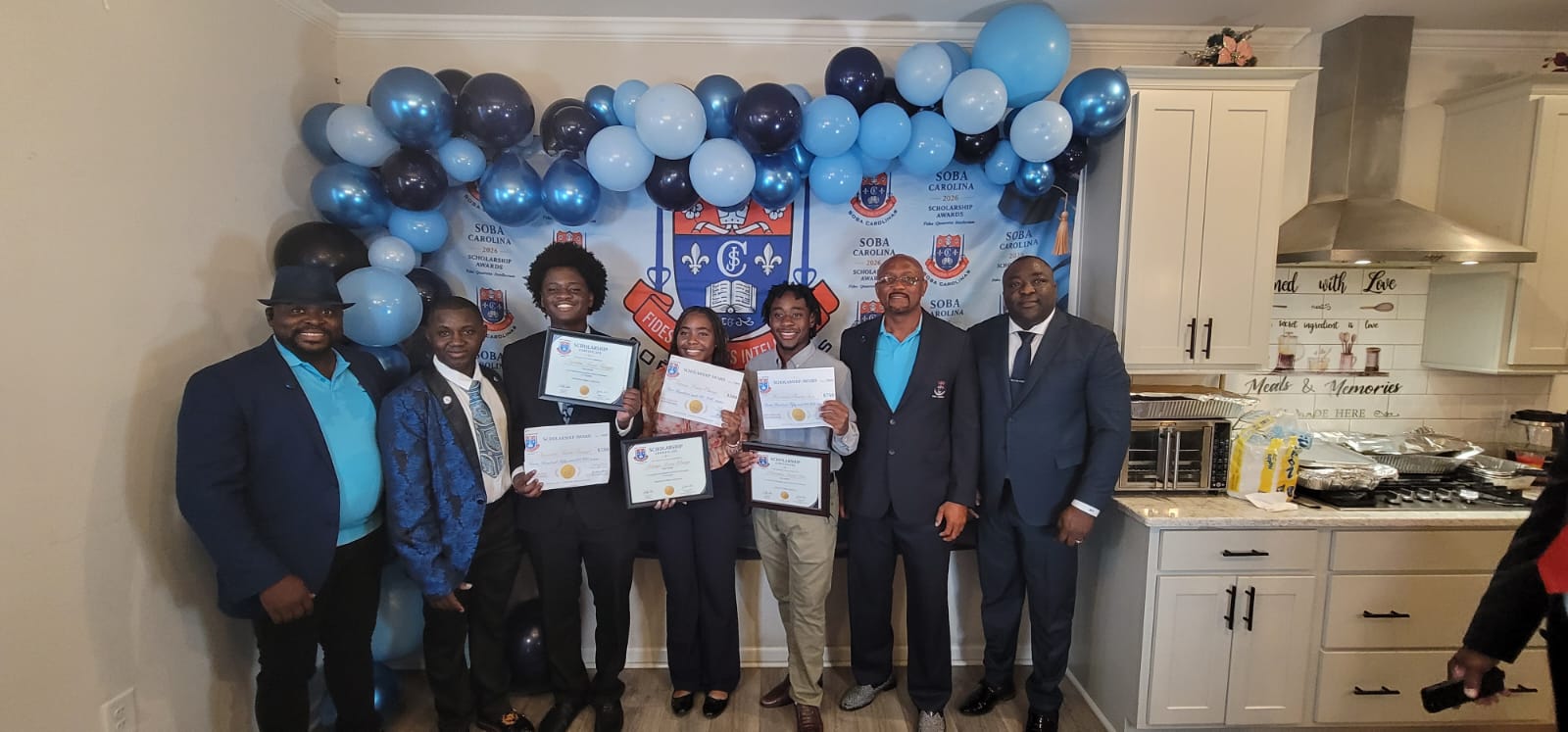
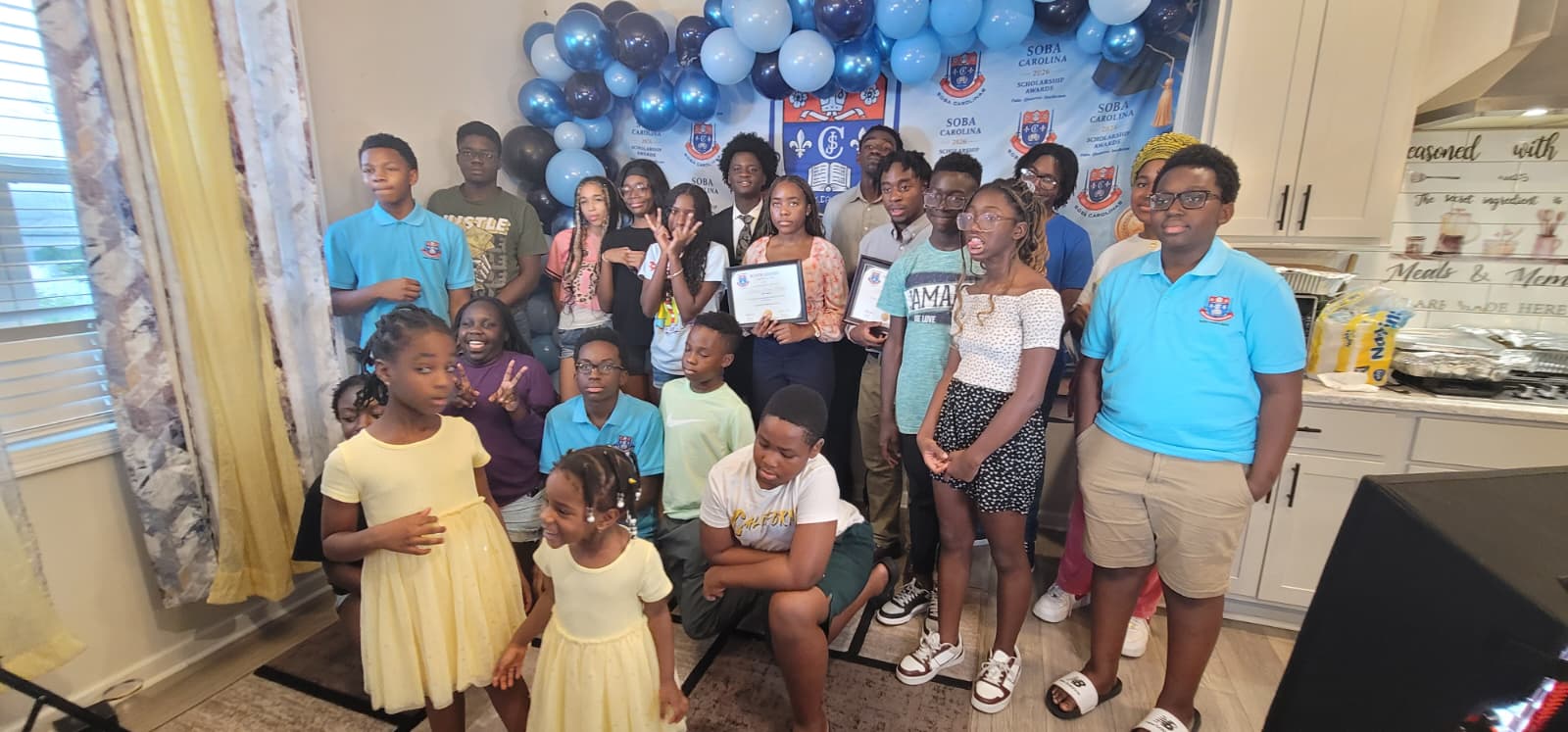
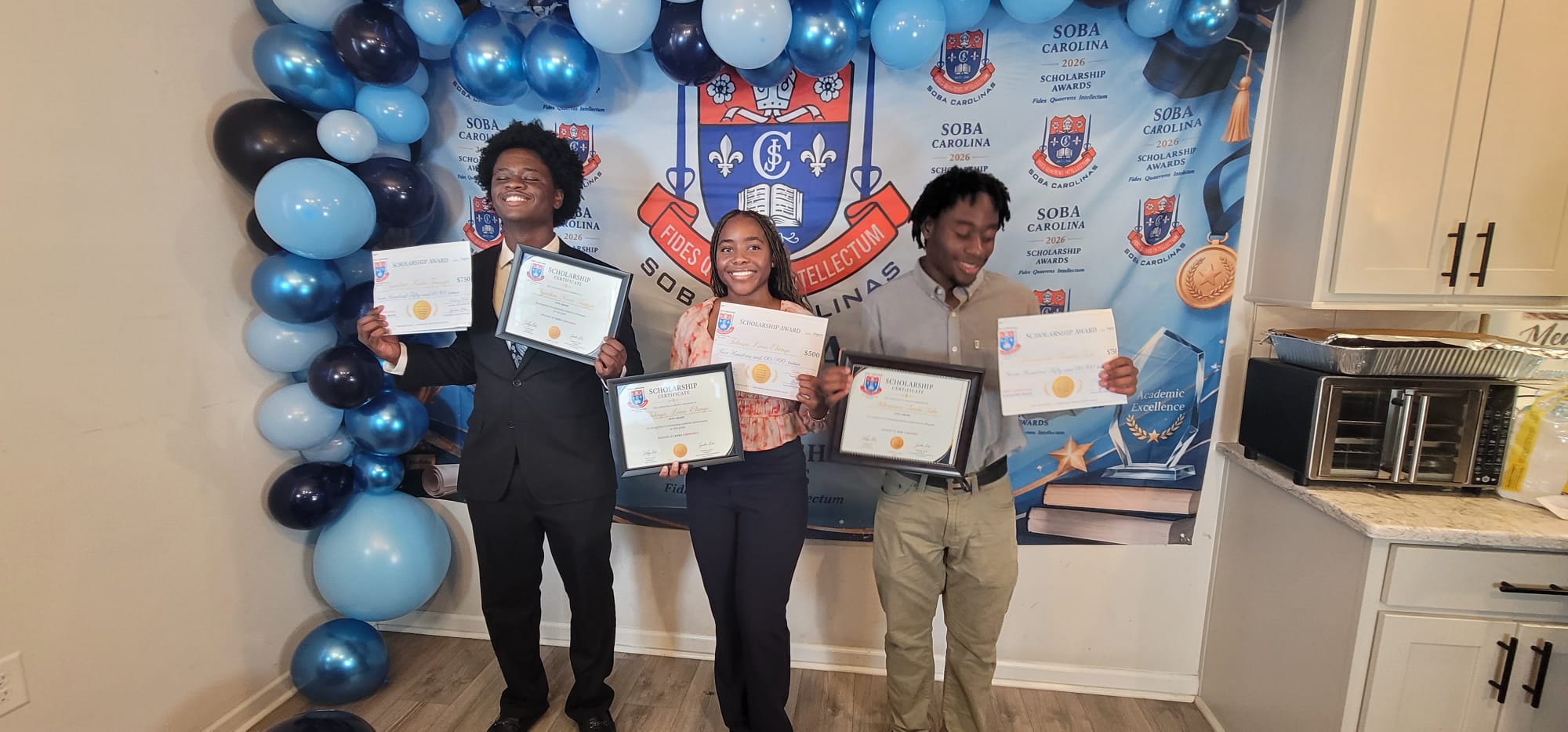
It’s time to go back to school. But what if we asked a different question? What if the goal wasn’t simply to go back to school? What if the goal was to go back with a strategy? Because two students can attend the same school, sit in the same classrooms, take the same courses, and earn similar grades and graduate with dramatically different levels of opportunity. One may leave with a diploma. The other may leave with a diploma, three mentors, two internships, leadership experience, a professional network, scholarship support, an entrepreneurial project, references, and a clear idea of what comes next. The difference isn’t necessarily intelligence. Often, it is intentionality. At The Gatsby Showcase Foundation, we believe education should do more than produce credentials. Education should create access to knowledge, people, experiences, careers, entrepreneurship, financial independence, and ultimately, the ability to shape one's own future. So this August, as students return to classrooms across the country, we want to challenge students and families to think differently. Don’;t just plan your classes.
Plan your opportunities.
The Opportunities That Change Lives Rarely Arrive With a Spotlight. We tend to imagine opportunity as a dramatic moment. The scholarship letter. The acceptance email.The internship offer. The first job. The investor saying yes. But most transformational opportunities begin much more quietly..A conversation after class. An introduction from a professor. A flyer on a bulletin board. A scholarship link forwarded by a counselor. A volunteer assignment nobody else wanted. A professor saying, “You should apply”
A business owner willing to answer a few questions. A student deciding to attend an event even though they don’t know anyone there. These moments seem insignificant when they happen. Years later, we often recognize them as turning points.
That’s because opportunity usually isn’t one event.
Opportunity is an ecosystem.
And the earlier students learn how to build that ecosystem, the more choices theycreate for themselves. Stop Asking Only, “What Do I Want to Be?” For generations, young people have been asked:
“What do you want to be when you grow up?” It’s an understandable question. But today’s world demands better questions. Instead, ask:
What problems am I interested in solving?
What skills am I developing?
What experiences would help me discover what I’m good at?
Who could teach me something I don’t yet know?
What opportunities would allow me to test my interests?
What kind of life do I ultimately want to build?
A 16-year-old doesn’t need a perfect 30-year career plan.
A 19-year-old doesn’t need to know exactly where they will be at 40.
And a college senior who changes direction has not failed.
Exploration is part of development.
The objective is not to predict your entire future.
It is to become increasingly prepared for it.
Build an Opportunity Portfolio not Just a Résumé
Students are often told they need a good résumé. They do. But before you can build a strong résumé, you need something more important: experiences worth putting on it. Think of your school years as an opportunity to build a personal portfolio across several areas.
Academic Capital
Your coursework, grades, certifications, research projects, honors, and academic achievements.
Experience Capital
Internships, apprenticeships, summer employment, volunteer work, job shadowing, freelance work, and real-world projects.
Relationship Capital
Mentors, professors, counselors, supervisors, alumni, community leaders, and professional contacts.
Leadership Capital
Student organizations, sports, community service, project leadership, campus organizations, peer mentoring, and advocacy.
Innovation Capital
Entrepreneurial ventures, research, creative projects, competitions, prototypes,
portfolios, and ideas you have actually attempted to build.
Personal Capital
Communication, discipline, resilience, emotional intelligence, financial literacy,adaptability, and confidence. The goal is not to collect activities simply to impress someone. The goal is to develop yourself intentionally.
Scholarships Should Be a Year-Round Strategy
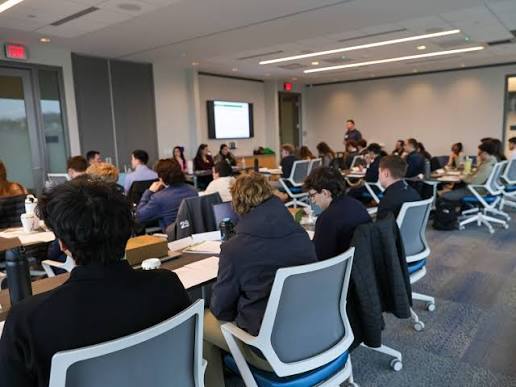
One of the biggest mistakes students make is treating scholarships like a senior-year emergency. Scholarship searching should begin earlier and continue throughout college. Federal Student Aid specifically encourages students to search broadly, including through college financial-aid offices, high-school counselors, state higher-education agencies, community organizations, employers, local businesses, foundations, and organizations related to a student's interests. It also notes that local scholarships may have smaller applicant pools. That matters. A $500 scholarship may not sound transformational compared with a $20,000 award. But five $500 scholarships equal $2,500 that doesn’t have to come from savings or borrowing. And scholarships aren’t only about tuition.
Depending on the award, assistance may help reduce the financial pressure surrounding books, fees, supplies, transportation, housing, and other educational costs.
Create a Scholarship System
Instead of occasionally searching for scholarships, create a routine. Maintain a simple spreadsheet with:
- Scholarship name
- Eligibility requirements
- Award amount
- Deadline
- Essay requirements
- Recommendation requirements
- Submission status
- Notification date
Then establish a target. Perhaps you apply for two scholarships every month. That’s 24 applications over a year. Not every application will win. It doesn’t need to. You only need enough yeses to make the effort worthwhile.
Don’t Ignore Financial Aid After You Enroll. Financial aid isn’t something you think about once and forget. Students should understand their aid packages, monitor renewal requirements, maintain satisfactory academic progress, and stay in communication with their school’s financial-aid office. The FAFSA remains a gateway to the largest source of federal student aid, including grants, work-study, and federal student loans. States, colleges, and some private aid providers also use FAFSA information when determining eligibility for their programs. If your financial circumstances change, talk to your school’s financial-aid office.
If your aid isn’t enough, ask questions. If you don’t understand an award, ask questions. If a form requests documentation, don’t ignore it. Financial empowerment begins with understanding what you are signing,
accepting, borrowing, and receiving.
Find Mentors Before You Need Them
Here’s a common mistake: A student needs a recommendation letter Friday. On Monday, they suddenly realize they don’t have anyone who knows them well enough to write one. Mentorship doesn’t work that way. Strong relationships are built before they are needed. A mentor isn’t simply someone who signs recommendation letters.
The right mentor may help you:
- recognize strengths you don’t see in yourself;
- navigate college or career decisions;
- avoid mistakes they’ve already made;
- prepare for interviews;
- identify scholarships;
- understand professional expectations;
- make introductions;
- recover from disappointment;
- recognize when you are thinking too small.
And mentorship doesn’t always begin with the question: “Will you be my mentor?” Sometimes it begins with: “Could I ask you how you got into your field?”
Then another conversation follows. Then another. Trust develops. Advice becomes more personal. A relationship forms. That’s mentorship.
Learn How to Ask Better Questions
One of the most valuable skills a young person can develop is the ability to ask thoughtful questions. Instead of asking a successful professional: “How do I become successful?”Try: “What skill do you wish you had developed earlier in your career?” Instead of: “Can you help me get a job?” Try: “I’m interested in your field. If you were starting again today, what experiences would you pursue while still in college?” Instead of: “Can you mentor me?” Try: “Would you be willing to spend 20 minutes telling me about your career journey?” Curiosity opens doors. Entitlement closes them.
Internships: Experience Before Experience Is Required
One of the frustrating realities facing new graduates is the entry-level job that somehow requests experience. So how do you get experience before someone hires you? You build it. Internships are one pathway. But they aren't the only one. Consider:
- Apprenticeships
- Volunteer assignments
- Research projects
- Campus jobs
- Job shadowing
- Community organizations
- Freelancing
- Student consulting projects
- Summer employment
- Professional competitions
Registered Apprenticeships deserve particular attention. Federal apprenticeship resources describe them as pathways combining paid on-the-job experience with technical instruction and a nationally recognized credential; youth programs can also connect with career and technical education, dual enrollment, and pre-apprenticeships. In other words, college is not the only route to career development. Earn-and-learn pathways can be powerful forms of economic empowerment too.
Leadership Is More Than Being President
Students sometimes believe leadership experience means becoming president of an organization. Leadership is much broader. You demonstrate leadership every time you take responsibility for an outcome. You can lead:
- A volunteer project
- A fundraiser
- A study group
- A community cleanup
- A student event
- A research project
- A social-media campaign
- A campus initiative
- A small team
Employers and scholarship committees aren’t merely impressed by titles. They want to know: What did you actually do? Instead of writing: Member, Entrepreneurship Club Imagine being able to say: Coordinated a student entrepreneurship showcase featuring 12 student-owned businesses and 150 attendees. That’s not participation. That’s impact.
You Don’t Have to Wait Until Graduation to Become an Entrepreneur
One of the greatest shifts in today’s economy is that young people have more tools than ever to experiment with entrepreneurship.You don’t need an office. You don’t necessarily need employees. And you certainly don’t need to wait until age 30. A student can begin with a problem.
Maybe students on campus need affordable tutoring. Perhaps local businesses need social-media help. Maybe you design clothing. Bake. Photograph events. Repair computers. Build websites. Provide lawn care. Tutor mathematics.
Create digital products. The first business does not need to become the next billion-dollar company. Its greatest value may be what it teaches you. Entrepreneurship can teach:
- Sales
- Communication
- Pricing
- Budgeting
- Customer service
- Negotiation
- Marketing
- Problem solving
- Resilience
Those skills remain valuable even if the business eventually closes. Sometimes the first business you build is actually building you.
Build Your Digital Reputation Before Someone Else Defines It
For today’s students, professional identity increasingly exists both offline and online. That means social media deserves intentional thought. You don’t need to become an influencer. But you should understand that future employers, scholarship organizations, graduate programs, potential clients, and professional contacts may encounter your digital
presence. Ask yourself: If someone searched my name today, what story would they find? For college students and young professionals, LinkedIn can become more than an online résumé. Use it to document:
- internships;
- projects;
- certifications;
- volunteer work;
- awards;
- leadership;
- research;
- professional interests.
Follow organizations in fields you are exploring. Connect appropriately with people you meet professionally. Engage thoughtfully. Your network does not need to be enormous. It needs to be genuine.
Learn One Skill That Makes You More Valuable
Every semester, choose one skill outside your required coursework that increases your value. Maybe it’s:
- Excel
- Artificial intelligence tools
- Public speaking
- Data analysis
- Coding
- Project management
- Graphic design
- Grant writing
- Financial literacy
- Sales
- Digital marketing
- A second language
Imagine developing two meaningful skills every academic year. Over four years, that’s eight additional capabilities beyond your degree. That is how career capital compounds.
Learn About Money Before Your First “Real” Paycheck
Economic empowerment requires more than getting a job. Students should understand basic financial concepts before graduation:
- Budgeting
- Credit
- Interest
- Taxes
- Student loans
- Emergency savings
- Retirement accounts
- Investing
- Insurance
- Employer benefits
Your first paycheck should not be your first introduction to money management. And your first business should not be the first time you learn the difference between revenue and profit. Financial literacy gives opportunity staying power.
The Gatsby 90-Day Opportunity Blueprint
Instead of trying to transform your entire life in one semester, focus on the next 90 days. Days 1–30: Discover
Identify:
- 5 scholarships
- 3 organizations you might join
- 2 professors you want to know better
- 2 career fields you want to explore
- 1 skill you want to develop
Update your résumé. Clean up your online presence. Introduce yourself to your professors. Visit your school's career center. Days 31–60: Engage Apply for scholarships. Attend a career or networking event. Join at least one organization. Schedule one informational interview. Begin your new skill course. Volunteer for responsibility somewhere.
Days 61–90: Build. Apply for an internship, apprenticeship, research opportunity, or meaningful campus role. Ask someone you respect for feedback on your progress. Document what you've accomplished.Update your résumé again. Then ask: What should I build during the next 90 days? That is how opportunity compounds.
A Word to Parents and Families: Support Without Steering the Entire Ship
Parents understandably want their children to succeed. But sometimes support quietly becomes control. “Become a doctor”,”Study engineering.”, “Don’t waste time on that business idea.”,”That career doesn’t pay enough.” Guidance matters. Experience matters. Financial realities matter. But young people also need room to discover who they are. Ask questions instead: What interests you about that field? What have you learned about the career? Who could you speak with who actually does that work? What would it take to test this interest before committing to it? Our job as adults is not always to hand young people a map. Sometimes it is to teach them how to navigate.
Resources to Help Build Your Opportunity Blueprint
Federal Student Aid
Federal Student Aid provides FAFSA guidance, scholarship information, aid-management resources, and information for students and families. Federal Student Aid Students should remember that scholarship searches should extend beyond national databases. Federal Student Aid specifically recommends exploring colleges, local organizations, employers, high-school counselors, state agencies, and organizations connected to your interests.
Apprenticeship.gov
Students interested in paid work-based learning can explore Registered Apprenticeships and career pathways. Apprenticeship.gov
Maryland Higher Education Commission
Maryland students should explore state financial-aid opportunities through the Maryland. Higher Education Commission. For example, the state's Guaranteed Access Grant provides need-based assistance to eligible Maryland undergraduates, while other programs target particular workforce needs and public-service fields. Eligibility,
deadlines, funding, and renewal rules vary by program. Maryland Higher Education Commission Maryland also supports the Next Generation Scholars initiative, a college-access model serving eligible students beginning as early as seventh grade with mentoring, guidance, and transition support into college.
District of Columbia – Youth Employment and Internships
The DC Department of Employment Services operates youth workforce programs. Its 2026–27 High School Internship Program materials describe fall and spring internship opportunities with employer screening and matching for eligible youth. DC Department of Employment Services
Virginia Career Works
Virginia students and young adults can explore workforce services, career development, training, and regional employment resources. Virginia Career Works
SCORE
For students and emerging entrepreneurs who want to explore business ownership, SCORE provides business education and mentoring. SCORE Toastmasters International For students who want to strengthen communication, presentation, and leadership skills, Toastmasters offers clubs and structured opportunities to practice. Toastmasters International
The Opportunity Nobody Sees Coming
Imagine two students beginning this school year. Both are talented. Both attend class. Both work hard. But one decides to do something different. She introduces herself to her professors. She attends a career fair even though she feels nervous. She applies for three scholarships and loses two. She wins one. She joins an organization. She volunteers to lead a project. A professor notices. The professor introduces her to an alum. The alum tells her about an internship.
She applies.
She gets it. During the internship, she meets a mentor. The mentor encourages her to pursue graduate school or perhaps launch the idea she has been quietly developing. Five years later, someone looks at her career and says: “She was lucky.” But was she? Certainly, luck plays a role in every life. But what looked like one lucky break was actually the result of dozens of small decisions. She showed up. She asked. She applied. She introduced herself. She accepted rejection. She tried again. She built relationships. She kept learning. She positioned herself for opportunity.
Final Word: Don’t Just Have a School Year. Build One.
This August, millions of students will walk through classroom doors. They will receive syllabi. They will buy textbooks. They will meet professors. They will attend lectures. And eventually, another academic year will end. But education should never be measured only by the number of courses completed.
Ask a bigger question: Who will I become this year? Will you become more confident? More connected? More financially informed? More curious? More skilled? More willing to lead? More willing to ask for help? More willing to try? Because opportunity rarely arrives as one dramatic moment. It is usually built quietly one relationship, one application, one skill, one mentor, one conversation, one failure, one lesson, and one courageous "yes" at a time. At The Gatsby Showcase Foundation, we believe scholarships can open doors. Mentorship can illuminate the path. Entrepreneurship can create new paths altogether. Financial literacy can make progress sustainable. But ultimately, empowerment means giving people the tools, knowledge, confidence, and access to begin shaping their own futures.
So don’t simply go back to school this August. Go back with intention. Build the résumé.Build the relationships. Build the skills. Build the confidence. Build the opportunity. And most importantly build yourself.
By Dr. Bertrand Fote, MD, MBA, FACEP, CFF®
President, The Gatsby Showcase Foundation
It’s time to go back to school. But what if we asked a different question? What if the goal wasn’t simply to go back to school? What if the goal was to go back with a strategy? Because two students can attend the same school, sit in the same classrooms, take the same courses, and earn similar grades and graduate with dramatically different levels of opportunity. One may leave with a diploma. The other may leave with a diploma, three mentors, two internships, leadership experience, a professional network, scholarship support, an entrepreneurial project, references, and a clear idea of what comes next. The difference isn’t necessarily intelligence. Often, it is intentionality. At The Gatsby Showcase Foundation, we believe education should do more than produce credentials. Education should create access to knowledge, people, experiences, careers, entrepreneurship, financial independence, and ultimately, the ability to shape one's own future. So this August, as students return to classrooms across the country, we want to challenge students and families to think differently. Don’;t just plan your classes.
Plan your opportunities.
The Opportunities That Change Lives Rarely Arrive With a Spotlight. We tend to imagine opportunity as a dramatic moment. The scholarship letter. The acceptance email.The internship offer. The first job. The investor saying yes. But most transformational opportunities begin much more quietly..A conversation after class. An introduction from a professor. A flyer on a bulletin board. A scholarship link forwarded by a counselor. A volunteer assignment nobody else wanted. A professor saying, “You should apply”
A business owner willing to answer a few questions. A student deciding to attend an event even though they don’t know anyone there. These moments seem insignificant when they happen. Years later, we often recognize them as turning points.
That’s because opportunity usually isn’t one event.
Opportunity is an ecosystem.
And the earlier students learn how to build that ecosystem, the more choices theycreate for themselves. Stop Asking Only, “What Do I Want to Be?” For generations, young people have been asked:
“What do you want to be when you grow up?” It’s an understandable question. But today’s world demands better questions. Instead, ask:
What problems am I interested in solving?
What skills am I developing?
What experiences would help me discover what I’m good at?
Who could teach me something I don’t yet know?
What opportunities would allow me to test my interests?
What kind of life do I ultimately want to build?
A 16-year-old doesn’t need a perfect 30-year career plan.
A 19-year-old doesn’t need to know exactly where they will be at 40.
And a college senior who changes direction has not failed.
Exploration is part of development.
The objective is not to predict your entire future.
It is to become increasingly prepared for it.
Build an Opportunity Portfolio not Just a Résumé
Students are often told they need a good résumé. They do. But before you can build a strong résumé, you need something more important: experiences worth putting on it. Think of your school years as an opportunity to build a personal portfolio across several areas.
Academic Capital
Your coursework, grades, certifications, research projects, honors, and academic achievements.
Experience Capital
Internships, apprenticeships, summer employment, volunteer work, job shadowing, freelance work, and real-world projects.
Relationship Capital
Mentors, professors, counselors, supervisors, alumni, community leaders, and professional contacts.
Leadership Capital
Student organizations, sports, community service, project leadership, campus organizations, peer mentoring, and advocacy.
Innovation Capital
Entrepreneurial ventures, research, creative projects, competitions, prototypes,
portfolios, and ideas you have actually attempted to build.
Personal Capital
Communication, discipline, resilience, emotional intelligence, financial literacy,adaptability, and confidence. The goal is not to collect activities simply to impress someone. The goal is to develop yourself intentionally.
Leadership Is More Than Being President
Students sometimes believe leadership experience means becoming president of an organization. Leadership is much broader. You demonstrate leadership every time you take responsibility for an outcome. You can lead:
- A volunteer project
- A fundraiser
- A study group
- A community cleanup
- A student event
- A research project
- A social-media campaign
- A campus initiative
- A small team
Employers and scholarship committees aren’t merely impressed by titles. They want to know: What did you actually do? Instead of writing: Member, Entrepreneurship Club Imagine being able to say: Coordinated a student entrepreneurship showcase featuring 12 student-owned businesses and 150 attendees. That’s not participation. That’s impact.
You Don’t Have to Wait Until Graduation to Become an Entrepreneur
One of the greatest shifts in today’s economy is that young people have more tools than ever to experiment with entrepreneurship.You don’t need an office. You don’t necessarily need employees. And you certainly don’t need to wait until age 30. A student can begin with a problem.
Maybe students on campus need affordable tutoring. Perhaps local businesses need social-media help. Maybe you design clothing. Bake. Photograph events. Repair computers. Build websites. Provide lawn care. Tutor mathematics.
Create digital products. The first business does not need to become the next billion-dollar company. Its greatest value may be what it teaches you. Entrepreneurship can teach:
- Sales
- Communication
- Pricing
- Budgeting
- Customer service
- Negotiation
- Marketing
- Problem solving
- Resilience
Those skills remain valuable even if the business eventually closes. Sometimes the first business you build is actually building you.
Build Your Digital Reputation Before Someone Else Defines It
For today’s students, professional identity increasingly exists both offline and online. That means social media deserves intentional thought. You don’t need to become an influencer. But you should understand that future employers, scholarship organizations, graduate programs, potential clients, and professional contacts may encounter your digital
presence. Ask yourself: If someone searched my name today, what story would they find? For college students and young professionals, LinkedIn can become more than an online résumé. Use it to document:
- internships;
- projects;
- certifications;
- volunteer work;
- awards;
- leadership;
- research;
- professional interests.
Follow organizations in fields you are exploring. Connect appropriately with people you meet professionally. Engage thoughtfully. Your network does not need to be enormous. It needs to be genuine.
Scholarships Should Be a Year-Round Strategy
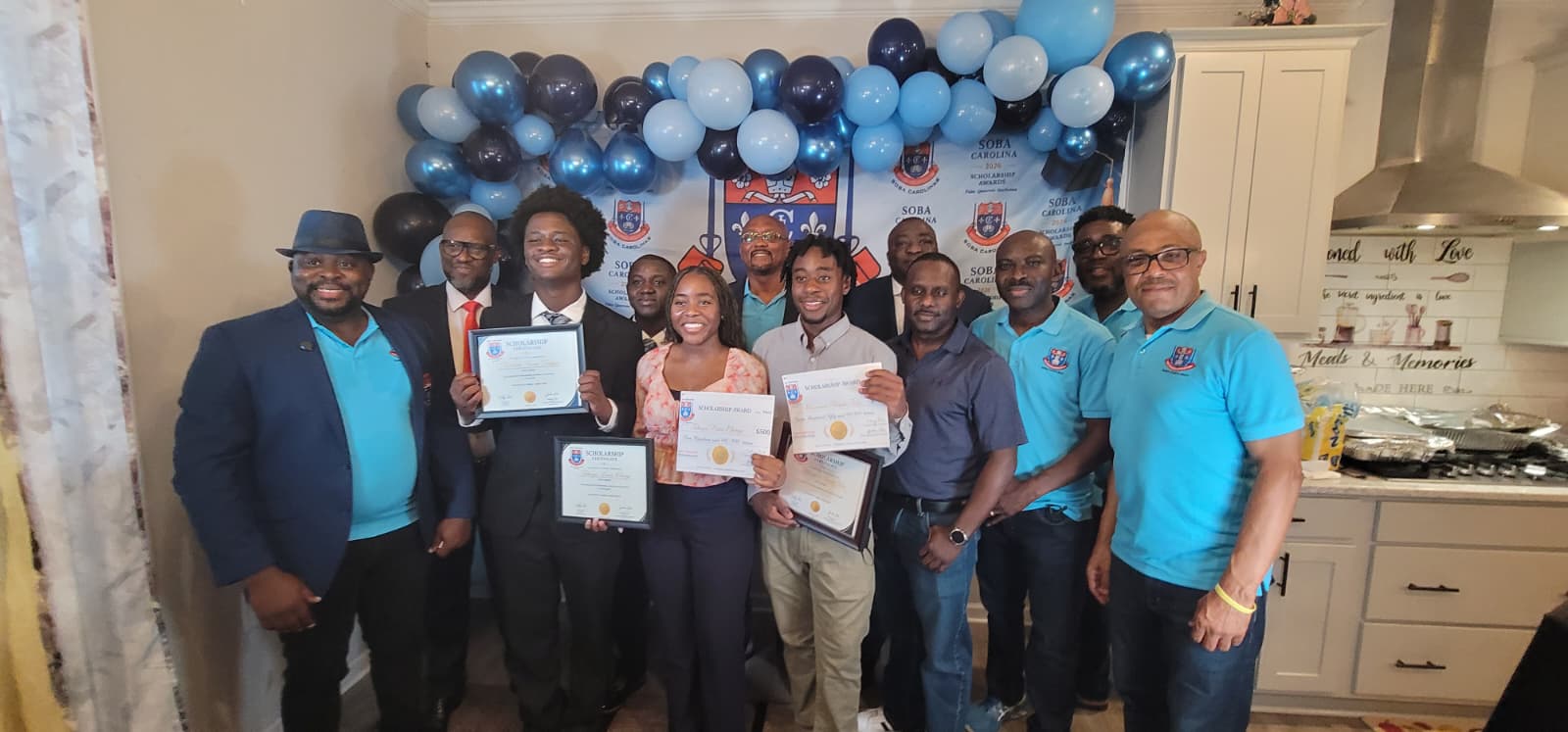
One of the biggest mistakes students make is treating scholarships like a senior-year emergency. Scholarship searching should begin earlier and continue throughout college. Federal Student Aid specifically encourages students to search broadly, including through college financial-aid offices, high-school counselors, state higher-education agencies, community organizations, employers, local businesses, foundations, and organizations related to a student's interests. It also notes that local scholarships may have smaller applicant pools. That matters. A $500 scholarship may not sound transformational compared with a $20,000 award. But five $500 scholarships equal $2,500 that doesn’t have to come from savings or borrowing. And scholarships aren’t only about tuition.
Depending on the award, assistance may help reduce the financial pressure surrounding books, fees, supplies, transportation, housing, and other educational costs.
Create a Scholarship System
Instead of occasionally searching for scholarships, create a routine. Maintain a simple spreadsheet with:
- Scholarship name
- Eligibility requirements
- Award amount
- Deadline
- Essay requirements
- Recommendation requirements
- Submission status
- Notification date
Then establish a target. Perhaps you apply for two scholarships every month. That’s 24 applications over a year. Not every application will win. It doesn’t need to. You only need enough yeses to make the effort worthwhile.
Don’t Ignore Financial Aid After You Enroll. Financial aid isn’t something you think about once and forget. Students should understand their aid packages, monitor renewal requirements, maintain satisfactory academic progress, and stay in communication with their school’s financial-aid office. The FAFSA remains a gateway to the largest source of federal student aid, including grants, work-study, and federal student loans. States, colleges, and some private aid providers also use FAFSA information when determining eligibility for their programs. If your financial circumstances change, talk to your school’s financial-aid office.
If your aid isn’t enough, ask questions.
If you don’t understand an award, ask questions.
If a form requests documentation, don’t ignore it.
Financial empowerment begins with understanding what you are signing,
accepting, borrowing, and receiving.
Find Mentors Before You Need Them
Here’s a common mistake: A student needs a recommendation letter Friday. On Monday, they suddenly realize they don’t have anyone who knows them well enough to write one. Mentorship doesn’t work that way. Strong relationships are built before they are needed. A mentor isn’t simply someone who signs recommendation letters.
The right mentor may help you:
- recognize strengths you don’t see in yourself;
- navigate college or career decisions;
- avoid mistakes they’ve already made;
- prepare for interviews;
- identify scholarships;
- understand professional expectations;
- make introductions;
- recover from disappointment;
- recognize when you are thinking too small.
And mentorship doesn’t always begin with the question: “Will you be my mentor?” Sometimes it begins with: “Could I ask you how you got into your field?”
Then another conversation follows. Then another. Trust develops. Advice becomes more personal. A relationship forms. That’s mentorship.
Learn How to Ask Better Questions
One of the most valuable skills a young person can develop is the ability to ask thoughtful questions. Instead of asking a successful professional: “How do I become successful?”Try: “What skill do you wish you had developed earlier in your career?” Instead of: “Can you help me get a job?” Try: “I’m interested in your field. If you were starting again today, what experiences would you pursue while still in college?” Instead of: “Can you mentor me?” Try: “Would you be willing to spend 20 minutes telling me about your career journey?” Curiosity opens doors. Entitlement closes them.
Internships: Experience Before Experience Is Required
One of the frustrating realities facing new graduates is the entry-level job that somehow requests experience. So how do you get experience before someone hires you? You build it. Internships are one pathway. But they aren't the only one. Consider:
- Apprenticeships
- Volunteer assignments
- Research projects
- Campus jobs
- Job shadowing
- Community organizations
- Freelancing
- Student consulting projects
- Summer employment
- Professional competitions
Registered Apprenticeships deserve particular attention. Federal apprenticeship resources describe them as pathways combining paid on-the-job experience with technical instruction and a nationally recognized credential; youth programs can also connect with career and technical education, dual enrollment, and pre-apprenticeships. In other words, college is not the only route to career development. Earn-and-learn pathways can be powerful forms of economic empowerment too.
Learn One Skill That Makes You More Valuable
Every semester, choose one skill outside your required coursework that increases your value. Maybe it’s:
- Excel
- Artificial intelligence tools
- Public speaking
- Data analysis
- Coding
- Project management
- Graphic design
- Grant writing
- Financial literacy
- Sales
- Digital marketing
- A second language
Imagine developing two meaningful skills every academic year. Over four years, that’s eight additional capabilities beyond your degree. That is how career capital compounds.
Learn About Money Before Your First “Real” Paycheck
Economic empowerment requires more than getting a job. Students should understand basic financial concepts before graduation:
- Budgeting
- Credit
- Interest
- Taxes
- Student loans
- Emergency savings
- Retirement accounts
- Investing
- Insurance
- Employer benefits
Your first paycheck should not be your first introduction to money management. And your first business should not be the first time you learn the difference between revenue and profit. Financial literacy gives opportunity staying power.
The Gatsby 90-Day Opportunity Blueprint
Instead of trying to transform your entire life in one semester, focus on the next 90 days. Days 1–30: Discover
Identify:
- 5 scholarships
- 3 organizations you might join
- 2 professors you want to know better
- 2 career fields you want to explore
- 1 skill you want to develop
Update your résumé. Clean up your online presence. Introduce yourself to your professors. Visit your school's career center. Days 31–60: Engage Apply for scholarships. Attend a career or networking event. Join at least one organization. Schedule one informational interview. Begin your new skill course. Volunteer for responsibility somewhere.
Days 61–90: Build. Apply for an internship, apprenticeship, research opportunity, or meaningful campus role. Ask someone you respect for feedback on your progress. Document what you've accomplished.Update your résumé again. Then ask: What should I build during the next 90 days? That is how opportunity compounds.
A Word to Parents and Families: Support Without Steering the Entire Ship
Parents understandably want their children to succeed. But sometimes support quietly becomes control. “Become a doctor”,”Study engineering.”, “Don’t waste time on that business idea.”,”That career doesn’t pay enough.” Guidance matters. Experience matters. Financial realities matter. But young people also need room to discover who they are. Ask questions instead: What interests you about that field? What have you learned about the career? Who could you speak with who actually does that work? What would it take to test this interest before committing to it? Our job as adults is not always to hand young people a map. Sometimes it is to teach them how to navigate.
Resources to Help Build Your Opportunity Blueprint
Federal Student Aid
Federal Student Aid provides FAFSA guidance, scholarship information, aid-management resources, and information for students and families. Federal Student Aid Students should remember that scholarship searches should extend beyond national databases. Federal Student Aid specifically recommends exploring colleges, local organizations, employers, high-school counselors, state agencies, and organizations connected to your interests.
Apprenticeship.gov
Students interested in paid work-based learning can explore Registered Apprenticeships and career pathways. Apprenticeship.gov
Maryland Higher Education Commission
Maryland students should explore state financial-aid opportunities through the Maryland. Higher Education Commission. For example, the state's Guaranteed Access Grant provides need-based assistance to eligible Maryland undergraduates, while other programs target particular workforce needs and public-service fields. Eligibility,
deadlines, funding, and renewal rules vary by program. Maryland Higher Education Commission Maryland also supports the Next Generation Scholars initiative, a college-access model serving eligible students beginning as early as seventh grade with mentoring, guidance, and transition support into college.
District of Columbia – Youth Employment and Internships
The DC Department of Employment Services operates youth workforce programs. Its 2026–27 High School Internship Program materials describe fall and spring internship opportunities with employer screening and matching for eligible youth. DC Department of Employment Services
Virginia Career Works
Virginia students and young adults can explore workforce services, career development, training, and regional employment resources. Virginia Career Works
SCORE
For students and emerging entrepreneurs who want to explore business ownership, SCORE provides business education and mentoring. SCORE Toastmasters International For students who want to strengthen communication, presentation, and leadership skills, Toastmasters offers clubs and structured opportunities to practice. Toastmasters International
The Opportunity Nobody Sees Coming
Imagine two students beginning this school year. Both are talented. Both attend class. Both work hard. But one decides to do something different. She introduces herself to her professors. She attends a career fair even though she feels nervous. She applies for three scholarships and loses two. She wins one. She joins an organization. She volunteers to lead a project. A professor notices. The professor introduces her to an alum. The alum tells her about an internship.
She applies.
She gets it. During the internship, she meets a mentor. The mentor encourages her to pursue graduate school or perhaps launch the idea she has been quietly developing. Five years later, someone looks at her career and says: “She was lucky.” But was she? Certainly, luck plays a role in every life. But what looked like one lucky break was actually the result of dozens of small decisions. She showed up. She asked. She applied. She introduced herself. She accepted rejection. She tried again. She built relationships. She kept learning. She positioned herself for opportunity.
Final Word: Don’t Just Have a School Year. Build One.
This August, millions of students will walk through classroom doors. They will receive syllabi. They will buy textbooks. They will meet professors. They will attend lectures. And eventually, another academic year will end. But education should never be measured only by the number of courses completed.
Ask a bigger question: Who will I become this year? Will you become more confident? More connected? More financially informed? More curious? More skilled? More willing to lead? More willing to ask for help? More willing to try? Because opportunity rarely arrives as one dramatic moment. It is usually built quietly one relationship, one application, one skill, one mentor, one conversation, one failure, one lesson, and one courageous "yes" at a time. At The Gatsby Showcase Foundation, we believe scholarships can open doors. Mentorship can illuminate the path. Entrepreneurship can create new paths altogether. Financial literacy can make progress sustainable. But ultimately, empowerment means giving people the tools, knowledge, confidence, and access to begin shaping their own futures.
So don’t simply go back to school this August. Go back with intention. Build the résumé.Build the relationships. Build the skills. Build the confidence. Build the opportunity. And most importantly build yourself.
By Dr. Bertrand Fote, MD, MBA, FACEP, CFF®
President, The Gatsby Showcase Foundation