
More Than a Smile: Reclaiming Mental Health, Healing, and Hope
Mental Health Awareness Month – Breaking Stigma and Building Stronger CommunitiesMay is Mental Health Awareness Month, a time dedicated to shining a light on an issue that affects millions of individuals and families every day, often silently.
Mental health challenges do not discriminate. They affect people across every race, profession, income level, and age group. Yet despite how common these struggles are, mental health remains one of the most misunderstood and stigmatized areas of healthcare.
Too many people suffer quietly.
Too many people are told to “be strong,” “pray harder,” or “push through.”
Too many people feel alone.
At The Gatsby Showcase Foundation, we believe mental health is not separate from health, it is health. And healing begins when we create spaces where people feel safe enough to speak, seek help, and support one another.
Understanding Mental Health Beyond the Stereotypes
Mental health is more than severe psychiatric illness. It includes:
- Emotional well-being
- Psychological resilience
- Ability to cope with stress
- Healthy relationships
- Sense of purpose and self-worth
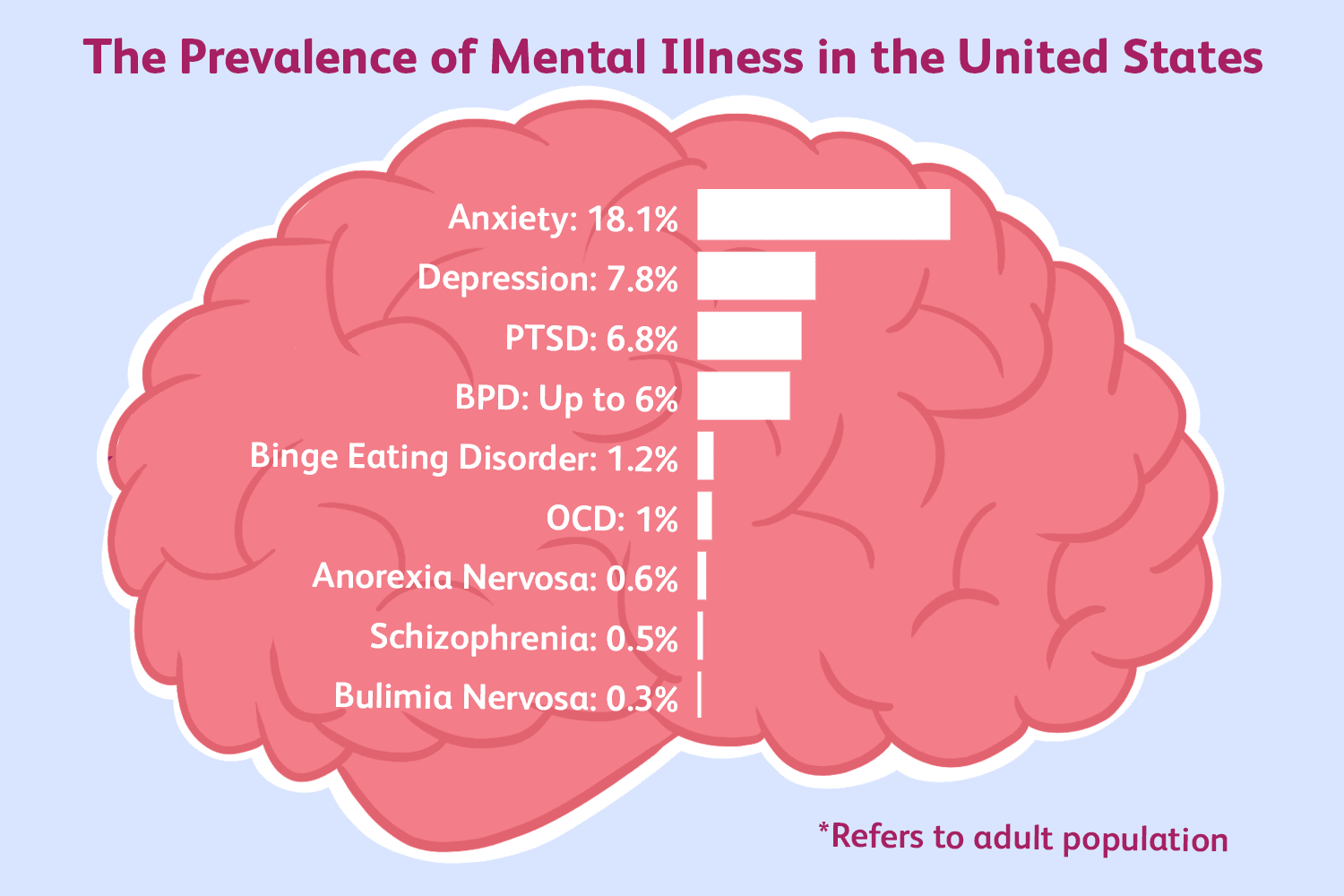
Mental health challenges can range from temporary stress and anxiety to chronic conditions such as:
- Depression
- Anxiety disorders
- PTSD
- Bipolar disorder
- Substance use disorders
- Burnout and emotional exhaustion
According to the National Alliance on Mental Illness (NAMI):
- 1 in 5 U.S. adults experiences mental illness each year
- More than 50% never receive treatment
- Suicide remains one of the leading causes of death among young adults
- Communities of color are less likely to access mental health services despite significant need
The Hidden Mental Health Crisis in Communities of Color
Mental health disparities are deeply tied to:
- Systemic inequities
- Financial stress
- Trauma
- Violence
- Racism and discrimination
- Limited access to care
- Cultural stigma
In many communities, discussing mental health is still considered taboo.
People are often encouraged to suppress emotions rather than process them.
Men may feel pressure to appear emotionally invulnerable.
Women may carry overwhelming caregiving burdens in silence.
Young people may fear judgment or misunderstanding.
The result?
People delay treatment until they reach crisis points.
A Story That Many Will Recognize: Danielle’s Silent Struggle
Danielle, a 34-year-old healthcare worker in Maryland, spent years caring for others while ignoring her own emotional exhaustion.
She worked long shifts, supported aging parents, and tried to remain “strong” for everyone around her.
On social media, she appeared successful and upbeat.
Privately, she struggled with anxiety, insomnia, and emotional numbness.
Eventually, after experiencing panic attacks at work, Danielle sought therapy for the first time.
“I thought asking for help meant I was failing. Instead, it became the beginning of my healing.”
Today, Danielle openly advocates for mental health awareness and encourages others to seek support early, not only during crisis.
Her story reflects the reality of countless individuals silently carrying emotional burdens every day.
Recognizing the Warning Signs
Mental health struggles often develop gradually.
Warning signs may include:
- Persistent sadness or hopelessness
- Irritability or emotional outbursts
- Loss of interest in activities once enjoyed
- Difficulty concentrating
- Sleep disturbances
- Fatigue or lack of energy
- Increased alcohol or substance use
- Withdrawal from family and friends
- Thoughts of self-harm or suicide
Recognizing these signs early can save lives.
Healing Is Possible: Steps Toward Mental Wellness
Mental wellness is not about perfection, it is about learning healthy ways to cope, heal, and grow.
Prioritize Self-Care
- Get adequate sleep
- Exercise regularly
- Spend time outdoors
- Limit excessive social media and news exposure
Talk About It
- Speak with trusted friends or family
- Join support groups
- Seek therapy or counseling
Build Healthy Support Systems
- Faith communities
- Mentorship groups
- Community organizations
- Peer support networks
Normalize Mental Health Checkups
Mental health evaluations should be viewed the same way we view annual physicals.
Seeking help is not weakness.
It is wisdom.
Local DMV Mental Health Resources
DC Department of Behavioral Health
Maryland Behavioral Health Administration
https://health.maryland.gov/
Virginia Department of Behavioral Health
NAMI DC
Support groups, education, and crisis support https://namidc.org
Mary’s Center
Integrated physical and mental healthcare services
https://www.maryscenter.org
Unity Health Care
Behavioral health support and counseling services
https://www.unityhealthcare.
National Mental Health Resources
988 Suicide & Crisis Lifeline
Call or text 988 https://988lifeline.org
National Alliance on Mental Illness (NAMI)
Mental Health America
The Trevor Project
Mental health and crisis support for LGBTQ+ youth
https://www.thetrevorproject.
Therapy for Black Girls https://therapyforblackgirls.
Final Thoughts: Healing Starts with Humanity
Mental health awareness is not about a month.
It is about building a culture where people feel safe enough to say:
“I’m struggling.”
“I need help.”
“I don’t want to carry this alone anymore.”
We all have a role to play.
Checking in on a friend.
Listening without judgment.
Encouraging therapy.
Advocating for accessible care.
At The Gatsby Showcase Foundation, we remain committed to advancing conversations around mental health, reducing stigma, and connecting communities to life-changing resources.
Because healing happens when compassion meets action.
And no one should suffer in silence.
Dr. Bertrand Fote, MD, MBA, FACEP, CF2
Emergency Medicine Physician
Health Equity Advocate
Too many people suffer quietly.
Too many people are told to “be strong,” “pray harder,” or “push through.”
Too many people feel alone.
At The Gatsby Showcase Foundation, we believe mental health is not separate from health, it is health. And healing begins when we create spaces where people feel safe enough to speak, seek help, and support one another.
Understanding Mental Health Beyond the Stereotypes
Mental health is more than severe psychiatric illness. It includes:
- Emotional well-being
- Psychological resilience
- Ability to cope with stress
- Healthy relationships
- Sense of purpose and self-worth
Mental health challenges can range from temporary stress and anxiety to chronic conditions such as:
- Depression
- Anxiety disorders
- PTSD
- Bipolar disorder
- Substance use disorders
- Burnout and emotional exhaustion
According to the National Alliance on Mental Illness (NAMI):
- 1 in 5 U.S. adults experiences mental illness each year
- More than 50% never receive treatment
- Suicide remains one of the leading causes of death among young adults
- Communities of color are less likely to access mental health services despite significant need
The Hidden Mental Health Crisis in Communities of Color
Mental health disparities are deeply tied to:
- Systemic inequities
- Financial stress
- Trauma
- Violence
- Racism and discrimination
- Limited access to care
- Cultural stigma
In many communities, discussing mental health is still considered taboo.
People are often encouraged to suppress emotions rather than process them.
Men may feel pressure to appear emotionally invulnerable.
Women may carry overwhelming caregiving burdens in silence.
Young people may fear judgment or misunderstanding.
The result?
People delay treatment until they reach crisis points.
A Story That Many Will Recognize: Danielle’s Silent Struggle
Danielle, a 34-year-old healthcare worker in Maryland, spent years caring for others while ignoring her own emotional exhaustion.
She worked long shifts, supported aging parents, and tried to remain “strong” for everyone around her.
On social media, she appeared successful and upbeat.
Privately, she struggled with anxiety, insomnia, and emotional numbness.
Eventually, after experiencing panic attacks at work, Danielle sought therapy for the first time.
“I thought asking for help meant I was failing. Instead, it became the beginning of my healing.”
Today, Danielle openly advocates for mental health awareness and encourages others to seek support early, not only during crisis.
Her story reflects the reality of countless individuals silently carrying emotional burdens every day.
Recognizing the Warning Signs
Mental health struggles often develop gradually.
Warning signs may include:
- Persistent sadness or hopelessness
- Irritability or emotional outbursts
- Loss of interest in activities once enjoyed
- Difficulty concentrating
- Sleep disturbances
- Fatigue or lack of energy
- Increased alcohol or substance use
- Withdrawal from family and friends
- Thoughts of self-harm or suicide
Recognizing these signs early can save lives.
Healing Is Possible: Steps Toward Mental Wellness
Mental wellness is not about perfection, it is about learning healthy ways to cope, heal, and grow.
Prioritize Self-Care
- Get adequate sleep
- Exercise regularly
- Spend time outdoors
- Limit excessive social media and news exposure
Talk About It
- Speak with trusted friends or family
- Join support groups
- Seek therapy or counseling
Build Healthy Support Systems
- Faith communities
- Mentorship groups
- Community organizations
- Peer support networks
Normalize Mental Health Checkups
Mental health evaluations should be viewed the same way we view annual physicals.
Seeking help is not weakness.
It is wisdom.
Local DMV Mental Health Resources
DC Department of Behavioral Health
Maryland Behavioral Health Administration
https://health.maryland.gov/
Virginia Department of Behavioral Health
NAMI DC
Support groups, education, and crisis support https://namidc.org
Mary’s Center
Integrated physical and mental healthcare services
https://www.maryscenter.org
Unity Health Care
Behavioral health support and counseling services
https://www.unityhealthcare.
National Mental Health Resources
988 Suicide & Crisis Lifeline
Call or text 988 https://988lifeline.org
National Alliance on Mental Illness (NAMI)
Mental Health America
The Trevor Project
Mental health and crisis support for LGBTQ+ youth
https://www.thetrevorproject.
Therapy for Black Girls https://therapyforblackgirls.
Final Thoughts: Healing Starts with Humanity
Mental health awareness is not about a month.
It is about building a culture where people feel safe enough to say:
“I’m struggling.”
“I need help.”
“I don’t want to carry this alone anymore.”
We all have a role to play.
Checking in on a friend.
Listening without judgment.
Encouraging therapy.
Advocating for accessible care.
At The Gatsby Showcase Foundation, we remain committed to advancing conversations around mental health, reducing stigma, and connecting communities to life-changing resources.
Because healing happens when compassion meets action.
And no one should suffer in silence.
Dr. Bertrand Fote, MD, MBA, FACEP, CF2
Emergency Medicine Physician
Health Equity Advocate