
Financial Literacy Is Freedom: Building Knowledge, Power, and Generational Wealth
Financial Literacy: Awareness, Education, and Economic EmpowermentApril is National Financial Literacy Month but financial literacy is not just a topic for one month.
It is a lifelong foundation. Because financial literacy is not just about money.
It’s about freedom.
Freedom to make informed decisions.
Freedom to protect your family.
Freedom to build something that lasts beyond you.
And yet, for millions of Americans, financial literacy was never taught.
Not in school. Not at home. Not within systems designed to empower them.
Instead:
- People are handed bills but never taught budgeting
- Given credit but never taught how to manage it
- Encouraged to work but never shown how to build wealth
April is more than a campaign.
It is a call to action.
Because when individuals understand money, they begin to change their lives.
And when communities understand money, they begin to change their futures.
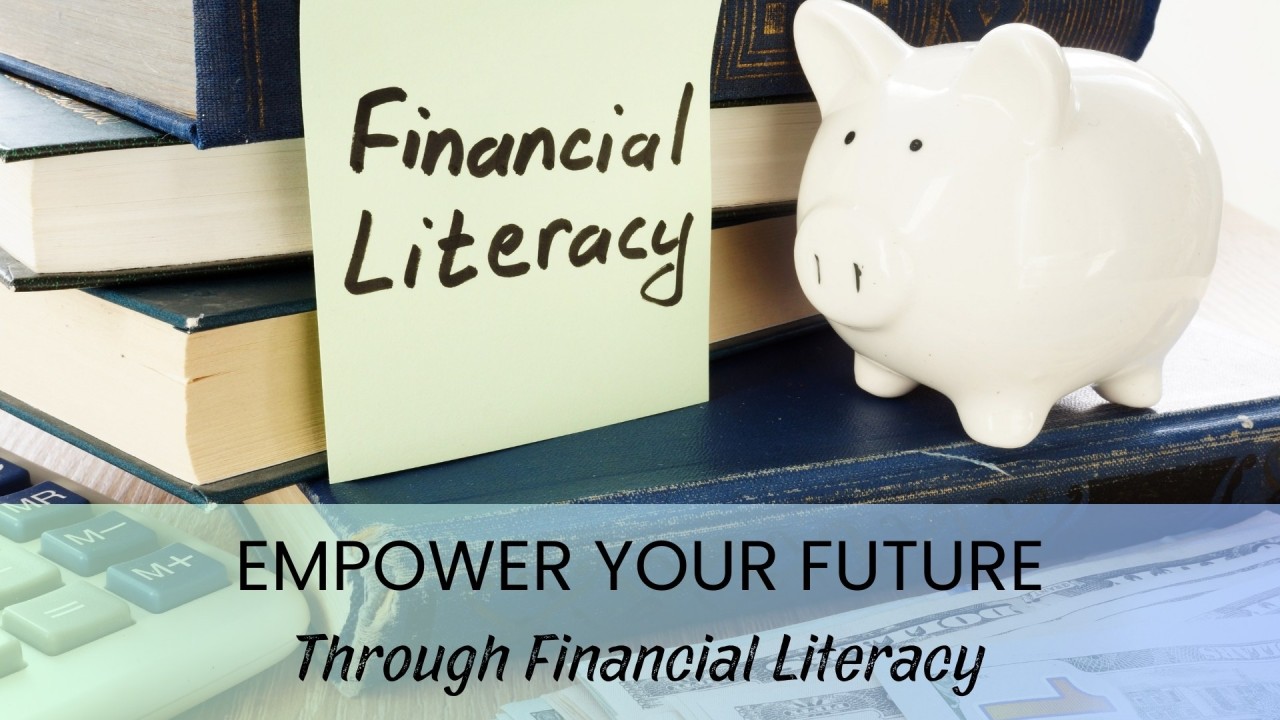
Building Economic Empowerment
Financial literacy is a gateway to economic empowerment.
When individuals are equipped with knowledge:
- They make better financial decisions
- They reduce stress and uncertainty
- They begin to build wealth not just earn income
And when communities are empowered collectively:
- Local economies strengthen
- Generational wealth becomes possible
- Cycles of financial hardship begin to break
A Story of Awakening: James’ Turning Point
James, a 24-year-old recent college graduate in Washington, DC, had what appeared to be a promising start.
A steady paycheck. A respectable job. A clear path forward.
But behind the scenes, he was struggling:
- $32,000 in student loan debt
- $4,500 in credit card debt
- No savings
- No understanding of investing
He shared:
“I thought making money meant I was doing okay. But I was drowning quietly.”
Everything shifted when James attended a free financial literacy workshop at a local nonprofit.
For the first time, he understood:
- How interest works for and against you
- How to build a realistic, sustainable budget
- Why investing early matters even in small amounts
Within one year:
- He paid off two credit cards
- Built a $1,000 emergency fund
- Began investing $100 per month
“Nobody ever taught me this. Once I learned, everything changed.”
James didn’t receive a raise.
He gained knowledge and that changed everything.
What Is Financial Literacy Really?
Financial literacy is often reduced to budgeting tips or saving strategies.
But true financial literacy is much deeper.
It is the ability to:
- Understand how money flows income, expenses, and obligations
- Manage credit wisely leveraging it without being controlled by it
- Build and protect assets over time
- Plan for both short-term stability and long-term growth
- Make informed financial decisions with confidence
It is not just about surviving financially.
It is about building leverage, security, and opportunity.
Practical Steps to Strengthen Financial Literacy
No matter where you are starting, progress is possible.
Consider these foundational steps:
- Create a realistic budget that reflects your actual lifestyle
- Track your spending to identify patterns and opportunities
- Build an emergency fund, starting small if necessary
- Understand your credit score, usage, and impact
- Learn the basics of investing, even if starting with minimal amounts
- Seek education and resources from trusted organizations and professionals
The Real Cost of Financial Illiteracy
Without financial knowledge, individuals are more vulnerable to:
- High-interest debt cycles
- Poor credit outcomes
- Lack of savings and emergency preparedness
- Missed investment opportunities
- Generational financial instability
For many underserved communities, these challenges are compounded by:
- Limited access to financial education
- Systemic economic barriers
- Predatory financial practices
In these environments, financial literacy becomes more than helpful it becomes essential.
A Call to Action
At The Gatsby Showcase Foundation, we believe financial literacy is a cornerstone of long-term well-being and community advancement.
Education is not just information it is transformation.
This month, we encourage you to:
- Learn something new about money
- Share that knowledge with someone else
- Take one actionable step toward financial stability
Because financial literacy does not just change bank accounts.
It changes lives, families, and futures.
A Story of Awakening: James’ Turning Point
James, a 24-year-old recent college graduate in Washington, DC, had what appeared to be a promising start.
A steady paycheck. A respectable job. A clear path forward.
But behind the scenes, he was struggling:
- $32,000 in student loan debt
- $4,500 in credit card debt
- No savings
- No understanding of investing
He shared:
“I thought making money meant I was doing okay. But I was drowning quietly.”
Everything shifted when James attended a free financial literacy workshop at a local nonprofit.
For the first time, he understood:
- How interest works for and against you
- How to build a realistic, sustainable budget
- Why investing early matters even in small amounts
Within one year:
- He paid off two credit cards
- Built a $1,000 emergency fund
- Began investing $100 per month
“Nobody ever taught me this. Once I learned, everything changed.”
James didn’t receive a raise.
He gained knowledge and that changed everything.
What Is Financial Literacy Really?
Financial literacy is often reduced to budgeting tips or saving strategies.
But true financial literacy is much deeper.
It is the ability to:
- Understand how money flows income, expenses, and obligations
- Manage credit wisely leveraging it without being controlled by it
- Build and protect assets over time
- Plan for both short-term stability and long-term growth
- Make informed financial decisions with confidence
It is not just about surviving financially.
It is about building leverage, security, and opportunity.
Building Economic Empowerment
Financial literacy is a gateway to economic empowerment.
When individuals are equipped with knowledge:
- They make better financial decisions
- They reduce stress and uncertainty
- They begin to build wealth not just earn income
And when communities are empowered collectively:
- Local economies strengthen
- Generational wealth becomes possible
- Cycles of financial hardship begin to break
Practical Steps to Strengthen Financial Literacy
No matter where you are starting, progress is possible.
Consider these foundational steps:
- Create a realistic budget that reflects your actual lifestyle
- Track your spending to identify patterns and opportunities
- Build an emergency fund, starting small if necessary
- Understand your credit score, usage, and impact
- Learn the basics of investing, even if starting with minimal amounts
- Seek education and resources from trusted organizations and professionals
The Real Cost of Financial Illiteracy
Without financial knowledge, individuals are more vulnerable to:
- High-interest debt cycles
- Poor credit outcomes
- Lack of savings and emergency preparedness
- Missed investment opportunities
- Generational financial instability
For many underserved communities, these challenges are compounded by:
- Limited access to financial education
- Systemic economic barriers
- Predatory financial practices
In these environments, financial literacy becomes more than helpful it becomes essential.
A Call to Action
At The Gatsby Showcase Foundation, we believe financial literacy is a cornerstone of long-term well-being and community advancement.
Education is not just information it is transformation.
This month, we encourage you to:
- Learn something new about money
- Share that knowledge with someone else
- Take one actionable step toward financial stability
Because financial literacy does not just change bank accounts.
It changes lives, families, and futures.